Daily horse riding departures: 7 Powerful Benefits & Best Tips

Daily horse riding departures offer a unique way to connect with nature, improve fitness, and experience the thrill of riding. These regular excursions cater to various skill levels, providing opportunities for both beginners and experienced riders to enjoy the outdoors. Whether it’s a gentle trot through scenic trails or an exhilarating gallop across open fields, daily horse riding departures promise unforgettable adventures.
Understanding Daily Horse Riding Departures
Daily horse riding departures refer to regularly scheduled horse riding excursions offered by stables, ranches, and equestrian centers. These departures cater to individuals seeking consistent opportunities to engage in horse riding activities. They range from short, introductory rides to longer, more challenging treks.
The structure of daily horse riding departures often includes guided tours, lessons, and open riding sessions. These are designed to accommodate different skill levels and preferences. The frequency and duration of these departures can vary, allowing riders to choose options that fit their schedules and interests.
The Purpose of Daily Departures
The primary purpose of daily horse riding departures is to provide accessible and structured opportunities for individuals to enjoy horse riding. This accessibility is crucial for those who may not have the means or resources to own and care for a horse independently. Daily departures also offer a social environment where riders can connect with like-minded individuals and share their passion for horses.
- Accessibility: Makes horse riding available to a broader audience.
- Structure: Provides organized lessons and guided tours.
- Social Interaction: Fosters a community of horse riding enthusiasts.
Daily horse riding departures also serve as a gateway for individuals to develop their equestrian skills. Regular participation in these activities can lead to improved riding techniques, enhanced horsemanship, and a deeper understanding of equine behavior. For many, these departures are the first step towards more advanced equestrian pursuits.
Key Components of a Typical Departure
A typical daily horse riding departure involves several key components that ensure a safe and enjoyable experience for all participants. These components include pre-ride briefings, horse assignments, guided riding sessions, and post-ride care for the horses. Each element is carefully managed to maximize the benefits and minimize potential risks.
- Pre-Ride Briefing: Provides essential information about the ride, safety guidelines, and riding techniques.
- Horse Assignment: Matches riders with suitable horses based on their skill level and experience.
- Guided Riding Session: Offers instruction and supervision during the ride.
- Post-Ride Care: Involves cooling down, grooming, and ensuring the well-being of the horses.
The pre-ride briefing is a critical component, as it sets the tone for the entire excursion. During this briefing, riders learn about the route, potential hazards, and specific instructions for handling their horses. This ensures that everyone is well-prepared and aware of the expectations for the ride.

The Benefits of Daily Horse Riding
Engaging in daily horse riding offers a multitude of benefits that extend beyond the sheer enjoyment of the activity. These benefits encompass physical fitness, mental well-being, and personal development. Regular horse riding can significantly improve overall health and quality of life.
From a physical standpoint, horse riding strengthens core muscles, improves balance and coordination, and enhances cardiovascular health. The mental benefits include stress reduction, increased self-esteem, and a greater sense of connection with nature. These combined effects make daily horse riding a holistic and rewarding pursuit.
Physical Health Benefits
The physical demands of horse riding engage various muscle groups, leading to improved strength and endurance. The constant adjustments required to maintain balance while riding work the core muscles, enhancing stability and posture. Additionally, the cardiovascular system benefits from the increased heart rate and circulation during riding.
- Core Strength: Improves stability and posture.
- Balance and Coordination: Enhances motor skills and agility.
- Cardiovascular Health: Increases heart rate and circulation.
Moreover, horse riding can be a low-impact exercise that is gentle on the joints, making it suitable for individuals of all ages and fitness levels. The rhythmic motion of riding can also have a therapeutic effect, relieving muscle tension and promoting relaxation. This makes it an ideal activity for those seeking a fun and effective way to stay active.
Mental and Emotional Well-being
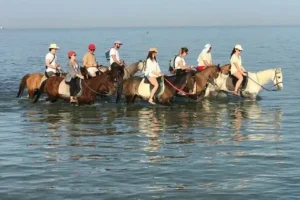
The mental and emotional benefits of daily horse riding are equally significant. Spending time outdoors in the company of horses can reduce stress, anxiety, and depression. The bond between rider and horse fosters a sense of connection and companionship, which can be particularly beneficial for those feeling isolated or lonely.
- Stress Reduction: Spending time with horses lowers cortisol levels.
- Increased Self-Esteem: Mastering riding skills boosts confidence.
- Connection with Nature: Enhances appreciation for the outdoors.
Furthermore, the act of caring for a horse can instill a sense of responsibility and purpose. Grooming, feeding, and interacting with these animals can be incredibly rewarding, providing a sense of accomplishment and fulfillment. This can lead to improved self-esteem and a more positive outlook on life. Consider a private horse riding experience for a more personalized connection.
Types of Daily Horse Riding Departures
Daily horse riding departures come in various forms, each catering to different preferences and skill levels. Understanding the types of departures available can help riders choose the most suitable option for their needs. These departures range from leisurely trail rides to intensive training sessions.
The most common types include guided trail rides, riding lessons, and specialized equestrian activities. Each type offers a unique experience and set of benefits, allowing riders to explore different aspects of horsemanship and enjoy the outdoors in diverse ways.
Guided Trail Rides
Guided trail rides are perhaps the most popular type of daily horse riding departure. These rides typically take place on scenic trails through forests, fields, or other natural landscapes. They are led by experienced guides who ensure the safety and enjoyment of all participants. Trail rides are suitable for riders of all skill levels, from beginners to advanced.
- Scenic Routes: Explore beautiful natural landscapes.
- Experienced Guides: Ensure safety and provide instruction.
- Suitable for All Levels: Accommodates beginners and advanced riders.
These rides often include opportunities to observe local wildlife, learn about the environment, and simply enjoy the peace and tranquility of the outdoors. The pace of the ride is usually moderate, allowing riders to relax and take in the scenery. For those seeking a more adventurous experience, some trail rides may include more challenging terrain and faster paces. Explore the beauty of a sunrise horse riding adventure.
Riding Lessons
Riding lessons are structured sessions designed to teach riders the fundamentals of horsemanship. These lessons are typically conducted in a controlled environment, such as an arena or paddock, and are led by certified instructors. Riding lessons are essential for beginners and can also benefit experienced riders looking to refine their skills.
- Fundamental Skills: Learn basic riding techniques.
- Certified Instructors: Receive expert guidance and instruction.
- Controlled Environment: Practice in a safe and structured setting.
During riding lessons, riders learn about horse behavior, proper posture, rein handling, and other essential techniques. The lessons are tailored to the individual’s skill level and goals, ensuring that each rider receives personalized attention and instruction. Regular riding lessons can lead to significant improvements in riding ability and confidence.
Essential Gear for Daily Horse Riding
Having the right gear is crucial for a safe and enjoyable daily horse riding experience. The essential equipment includes appropriate clothing, protective gear, and horse-related accessories. Each item plays a vital role in ensuring the comfort and safety of both the rider and the horse.
From sturdy boots to a well-fitted helmet, the gear you choose can significantly impact your riding experience. Investing in high-quality equipment is a worthwhile investment that will enhance your safety, comfort, and overall enjoyment of daily horse riding.
Rider’s Clothing and Footwear
Appropriate clothing is essential for comfort and protection while horse riding. The ideal attire includes long pants, a fitted shirt, and sturdy boots with a heel. These items protect the skin from chafing, provide support and stability, and prevent the foot from slipping through the stirrup.
- Long Pants: Protect the legs from chafing and abrasions.
- Fitted Shirt: Allows for freedom of movement without being too loose.
- Sturdy Boots: Provide ankle support and prevent foot slippage.
The choice of fabric is also important. Breathable materials such as cotton or moisture-wicking synthetics are ideal for keeping the rider cool and comfortable. Avoid wearing loose or baggy clothing that could get caught on the saddle or reins. Proper footwear is particularly crucial, as it provides the necessary grip and support for safe riding.
Protective Gear
Protective gear is non-negotiable when it comes to horse riding safety. The most important piece of equipment is a well-fitted helmet that meets safety standards. Helmets protect the head from serious injury in the event of a fall. Other protective gear may include riding gloves, safety vests, and chaps.
- Helmet: Protects the head from serious injury.
- Riding Gloves: Provide grip and protect the hands.
- Safety Vest: Offers additional protection for the torso.
Riding gloves protect the hands from blisters and provide a better grip on the reins. Safety vests offer additional protection for the torso, reducing the risk of injury to the ribs and internal organs. Chaps protect the legs from chafing and provide extra grip on the saddle. Always ensure that your protective gear fits properly and is in good condition before each ride. Consider exploring various horse riding trips to test your gear.
Safety Tips for Daily Horse Riding
Safety should always be the top priority when participating in daily horse riding departures. Following essential safety tips and guidelines can significantly reduce the risk of accidents and injuries. These tips encompass pre-ride checks, proper riding techniques, and awareness of potential hazards.
By adhering to these safety measures, riders can enjoy a safe and rewarding horse riding experience. Always prioritize your well-being and the well-being of the horse by practicing responsible and cautious riding habits.
Pre-Ride Checks
Before each ride, it is essential to conduct thorough pre-ride checks to ensure the safety and well-being of both the rider and the horse. These checks include inspecting the horse’s tack, assessing the horse’s condition, and ensuring that the rider’s gear is properly fitted.
- Inspect Tack: Check the saddle, bridle, and reins for any signs of wear or damage.
- Assess Horse’s Condition: Look for any signs of lameness, soreness, or discomfort.
- Ensure Proper Fit: Make sure the helmet, boots, and other gear fit properly.
The tack should be clean, well-maintained, and properly adjusted to fit the horse. The horse should be alert, responsive, and free from any signs of injury or illness. The rider’s gear should be comfortable, secure, and appropriate for the riding conditions. Taking the time to conduct these pre-ride checks can prevent accidents and ensure a safe and enjoyable ride.
Proper Riding Techniques
Using proper riding techniques is crucial for maintaining control, balance, and communication with the horse. These techniques include maintaining correct posture, using appropriate rein and leg aids, and responding to the horse’s cues. Proper riding techniques not only enhance safety but also improve the overall riding experience.
- Correct Posture: Maintain a balanced and upright position in the saddle.
- Rein and Leg Aids: Use gentle and precise cues to communicate with the horse.
- Respond to Cues: Pay attention to the horse’s body language and respond accordingly.
Riders should strive to develop a soft and responsive touch with the reins, using subtle cues to guide the horse. Leg aids should be used to encourage the horse to move forward, turn, and maintain balance. By mastering these techniques, riders can establish a harmonious partnership with their horses and enjoy a safer and more fulfilling riding experience.
Common Misconceptions About Daily Horse Riding
Despite its popularity, daily horse riding is often surrounded by misconceptions that can deter potential riders or lead to unsafe practices. Addressing these misconceptions is crucial for promoting a more accurate understanding of the activity and ensuring a positive experience for all participants.
One common misconception is that horse riding is only for experienced riders. In reality, many daily horse riding departures cater to beginners, offering lessons and guided tours that are suitable for all skill levels. Another misconception is that horse riding is an easy activity that requires little effort. While it can be enjoyable and relaxing, horse riding also demands physical and mental exertion.
Misconception: Only for Experienced Riders
Many people believe that horse riding is an activity reserved for experienced riders only. This misconception can discourage beginners from trying horse riding and missing out on the numerous benefits it offers. In truth, many stables and equestrian centers offer daily horse riding departures specifically designed for beginners.
- Beginner-Friendly Lessons: Structured lessons for novice riders.
- Guided Tours: Supervised rides for all skill levels.
- Gentle Horses: Horses trained to accommodate beginner riders.
These programs typically include introductory lessons that cover the basics of horsemanship, such as mounting, dismounting, and basic riding techniques. Guided tours are led by experienced instructors who provide guidance and support throughout the ride. The horses used in these programs are often specially trained to be gentle and patient with beginner riders. This makes horse riding accessible and enjoyable for individuals of all skill levels.
Misconception: Requires Little Effort
Another common misconception is that horse riding is an easy activity that requires little physical or mental effort. While it can be a relaxing and enjoyable experience, horse riding also demands a significant amount of exertion. Riders must maintain balance, control the horse, and respond to its cues, all of which require strength, coordination, and focus.
- Physical Exertion: Engages various muscle groups.
- Mental Focus: Requires concentration and awareness.
- Coordination: Demands precise movements and timing.
The physical demands of horse riding can be surprisingly challenging, especially for those who are not accustomed to the activity. Riders must use their core muscles to maintain balance, their legs to control the horse, and their arms to guide it. The mental focus required to stay aware of the horse’s behavior and the surrounding environment can also be tiring. However, the rewards of horse riding, both physical and mental, make the effort well worth it.
Choosing the Right Horse Riding Departure
Selecting the right daily horse riding departure is essential for ensuring a safe, enjoyable, and fulfilling experience. Several factors should be considered when making this decision, including skill level, interests, and available resources. Taking the time to evaluate these factors can help riders find the perfect departure for their needs.
From beginner-friendly trail rides to advanced equestrian training, there is a wide range of options available to suit different preferences and goals. By carefully assessing your own abilities and interests, you can choose a departure that will challenge you, inspire you, and provide you with lasting memories.
Assessing Your Skill Level
The first step in choosing the right horse riding departure is to accurately assess your current skill level. Are you a complete beginner with no prior experience, or do you have some riding experience but are looking to improve your skills? Understanding your skill level will help you narrow down the options and choose a departure that is appropriate for your abilities.
- Beginner: No prior experience, needs basic instruction.
- Intermediate: Some experience, looking to improve skills.
- Advanced: Experienced rider, seeking challenging activities.
Beginner riders should look for departures that offer introductory lessons and guided tours on gentle horses. Intermediate riders may prefer departures that focus on skill development and offer more challenging terrain. Advanced riders may seek out specialized equestrian activities, such as jumping or dressage, that will push their abilities to the limit. Consider beach and desert horse riding for a unique experience.
Considering Your Interests
In addition to skill level, it is also important to consider your personal interests when choosing a horse riding departure. Are you interested in exploring scenic trails, learning about horsemanship, or participating in competitive events? Identifying your interests will help you find a departure that aligns with your passions and provides you with a sense of fulfillment.
- Scenic Trails: Enjoying the beauty of nature.
- Horsemanship: Learning about horse care and behavior.
- Competitive Events: Participating in equestrian competitions.
If you are interested in exploring scenic trails, look for departures that offer guided trail rides through forests, fields, or other natural landscapes. If you are interested in learning about horsemanship, choose departures that include lessons on horse care, grooming, and handling. If you are interested in competitive events, seek out equestrian centers that offer training and opportunities to participate in local or regional competitions.
Preparing for Your Daily Horse Riding Adventure
Proper preparation is essential for ensuring a safe, comfortable, and enjoyable daily horse riding adventure. This preparation includes physical conditioning, mental preparation, and logistical planning. By taking the time to prepare yourself in these areas, you can maximize your enjoyment of the experience and minimize potential risks.
From stretching exercises to packing essential supplies, there are several steps you can take to prepare for your horse riding adventure. These preparations will not only enhance your comfort and safety but also improve your overall riding performance and confidence.
Physical Conditioning
Physical conditioning is crucial for preparing your body for the demands of horse riding. Regular exercise, stretching, and core strengthening can improve your balance, coordination, and endurance, making you a more effective and comfortable rider. A well-conditioned body is also less prone to injuries and fatigue.
- Regular Exercise: Improves overall fitness and stamina.
- Stretching: Enhances flexibility and range of motion.
- Core Strengthening: Improves balance and stability.
Focus on exercises that target the muscles used in horse riding, such as the core, legs, and back. Stretching exercises can improve your flexibility and range of motion, making it easier to maintain proper posture and balance in the saddle. Core strengthening exercises can enhance your stability and control, allowing you to ride with greater confidence and precision. Consider incorporating these exercises into your daily routine in the weeks leading up to your horse riding adventure.
Mental Preparation
Mental preparation is just as important as physical conditioning when it comes to preparing for your horse riding adventure. Mental preparation involves visualizing the ride, setting realistic expectations, and managing any anxiety or fear you may have about riding. A calm and focused mind can enhance your riding performance and improve your overall experience.
- Visualization: Imagining the ride and practicing techniques.
- Realistic Expectations: Setting achievable goals for the ride.
- Anxiety Management: Practicing relaxation techniques to reduce stress.
Take some time to visualize the ride, imagining yourself successfully navigating the terrain and communicating effectively with the horse. Set realistic expectations for your performance, focusing on small improvements rather than perfection. Practice relaxation techniques, such as deep breathing or meditation, to manage any anxiety or fear you may have about riding. A positive and confident mindset can make all the difference in your horse riding adventure.
Advanced Techniques for Daily Horse Riding
For experienced riders seeking to enhance their skills and deepen their connection with horses, mastering advanced riding techniques is essential. These techniques involve refined communication, precise control, and a deeper understanding of equine behavior. By mastering these techniques, riders can achieve a higher level of horsemanship and enjoy a more rewarding riding experience.
From advanced rein handling to subtle body cues, there are many advanced techniques that riders can learn and practice. These techniques require dedication, patience, and a willingness to learn from experienced instructors. With consistent effort and guidance, riders can develop the skills and confidence needed to excel in the world of horse riding.
Advanced Rein Handling
Advanced rein handling involves using subtle and precise cues to communicate with the horse. This technique requires a soft and responsive touch, as well as a deep understanding of how the horse responds to different rein pressures. Advanced rein handling allows riders to guide the horse with greater finesse and control.
- Soft Touch: Using gentle and subtle rein pressures.
- Precise Cues: Communicating specific instructions to the horse.
- Understanding Response: Recognizing how the horse reacts to different cues.
Riders can practice advanced rein handling by focusing on maintaining a light and consistent contact with the horse’s mouth. They should also pay attention to the horse’s body language and adjust their rein pressures accordingly. By developing a soft and responsive touch, riders can establish a more harmonious partnership with their horses and achieve a higher level of control. Consider swimming with horses for a unique bonding experience.
Subtle Body Cues
Subtle body cues involve using body weight, posture, and leg aids to communicate with the horse. This technique requires a deep understanding of equine biomechanics and a keen awareness of the horse’s sensitivity to subtle shifts in the rider’s body. Subtle body cues allow riders to influence the horse’s movement and balance with minimal effort.
- Body Weight: Shifting weight to influence the horse’s balance.
- Posture: Maintaining a balanced and upright position.
- Leg Aids: Using leg pressures to encourage movement.
Riders can practice subtle body cues by focusing on maintaining a balanced and upright posture in the saddle. They should also pay attention to how their body weight affects the horse’s balance and adjust their position accordingly. By developing a deep understanding of equine biomechanics, riders can use subtle body cues to communicate with their horses and achieve a higher level of control.
Maintaining Your Horse Riding Skills
Maintaining your horse riding skills requires consistent practice, ongoing education, and a commitment to continuous improvement. Regular riding sessions, participation in clinics and workshops, and self-assessment are all essential components of skill maintenance. By investing in these activities, riders can ensure that their skills remain sharp and their enjoyment of horse riding continues to grow.
From practicing basic techniques to exploring new disciplines, there are many ways to maintain and enhance your horse riding skills. The key is to stay engaged, stay curious, and never stop learning. With dedication and perseverance, riders can continue to improve their horsemanship and enjoy a lifetime of rewarding experiences with horses.
Consistent Practice
Consistent practice is the cornerstone of maintaining your horse riding skills. Regular riding sessions, even short ones, can help you retain your muscle memory, improve your coordination, and refine your technique. The more you ride, the more comfortable and confident you will become in the saddle.
- Regular Sessions: Riding at least once or twice a week.
- Varied Activities: Practicing different riding disciplines.
- Focus on Fundamentals: Reinforcing basic techniques.
Try to ride at least once or twice a week to maintain your skills. Vary your riding activities to keep things interesting and challenge yourself in new ways. Focus on reinforcing basic techniques, such as posture, rein handling, and leg aids, to ensure that your foundation remains strong. Consistent practice will help you maintain your skills and continue to improve as a rider. If you are in Hurghada, visit our website for more information.
Ongoing Education
Ongoing education is essential for staying up-to-date with the latest techniques and best practices in horse riding. Participating in clinics, workshops, and seminars can provide you with valuable insights and guidance from experienced instructors. Reading books, articles, and online resources can also expand your knowledge and understanding of horsemanship.
- Clinics and Workshops: Learning from experienced instructors.
- Books and Articles: Expanding your knowledge of horsemanship.
- Online Resources: Staying up-to-date with the latest techniques.
Attend clinics and workshops led by reputable instructors to learn new techniques and refine your existing skills. Read books, articles, and online resources to expand your knowledge of horse behavior, training methods, and riding disciplines. Stay curious, stay engaged, and never stop learning. Ongoing education will help you maintain your skills and continue to grow as a horseman.
Frequently asked questions about Daily horse riding departures
What should I wear for daily horse riding departures?
Wear long pants, a fitted shirt, and sturdy boots with a heel. This attire protects your skin, provides support, and prevents your foot from slipping through the stirrup.
Is horse riding experience necessary for daily horse riding departures?
No, many daily horse riding departures cater to beginners. These often include introductory lessons and guided tours suitable for all skill levels.
What safety gear is essential for horse riding?
A well-fitted helmet that meets safety standards is the most important piece of safety gear. Riding gloves and a safety vest are also recommended.
How can I prepare physically for horse riding?
Regular exercise, stretching, and core strengthening can improve your balance, coordination, and endurance, making you a more effective and comfortable rider.
What are the mental benefits of daily horse riding?
Daily horse riding can reduce stress, increase self-esteem, and foster a connection with nature, improving overall mental well-being.
What types of daily horse riding departures are available?
Common types include guided trail rides, riding lessons, and specialized equestrian activities, each offering a unique experience and set of benefits.
How can I choose the right horse riding departure for my skill level?
Assess your current skill level (beginner, intermediate, advanced) and choose a departure that offers appropriate instruction and activities for your abilities.
What should I do if I feel anxious or nervous before a horse ride?
Practice relaxation techniques such as deep breathing or meditation to manage anxiety. Visualize the ride and set realistic expectations for your performance.
Conclusion
Daily horse riding departures offer a powerful blend of physical, mental, and emotional benefits, making them an excellent choice for individuals seeking adventure and personal growth. By understanding the different types of departures, preparing appropriately, and prioritizing safety, riders can enjoy a fulfilling and rewarding experience.
Ready to embark on your own horse riding journey? Explore the options available and discover the joy of connecting with these magnificent animals. Get started today!