Professional Horse Photography: 7 Free & Perfect Tips
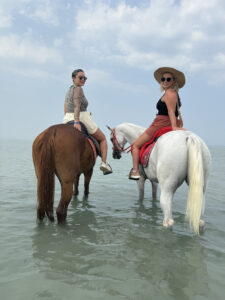
Professional horse photography is the art and science of capturing high-quality images of horses, showcasing their beauty, athleticism, and unique personalities. It requires a blend of technical skill, artistic vision, and a deep understanding of equine behavior. This guide provides essential tips for aspiring and established photographers.
Understanding the Essence of Professional Horse Photography
Professional horse photography goes beyond simply taking pictures of horses. It’s about understanding the animal, its movements, and its spirit. It involves patience, observation, and a keen eye for detail.
The goal is to create images that not only capture the physical appearance of the horse but also convey its personality and the bond it shares with its owner. This requires a deep understanding of equine behavior and the ability to anticipate their actions.
The Importance of Equine Knowledge
A successful horse photographer possesses a solid understanding of horse anatomy, behavior, and common breeds. This knowledge allows them to anticipate movements, capture flattering angles, and ensure the safety of both the horse and the photographer. Knowing when a horse is relaxed versus agitated can prevent accidents and lead to better photos.
- Understanding horse anatomy helps in posing and capturing the horse’s best features.
- Knowledge of equine behavior allows for anticipating movements and capturing natural expressions.
- Familiarity with different breeds helps in highlighting their unique characteristics.
Without this knowledge, a photographer might miss crucial moments or even put themselves or the horse at risk. For example, approaching a horse from behind without speaking can startle it, leading to unpredictable behavior.
Building a Connection
Professional horse photography is also about building a connection with the horse and its owner. This involves earning their trust and creating a comfortable environment for the photoshoot. This can be achieved by spending time with the horse before the shoot, allowing it to get used to the photographer’s presence and equipment. Speaking calmly and offering treats can also help build rapport.
The owner’s input is also invaluable. They know their horse best and can provide insights into its personality and preferences. Collaborating with the owner ensures that the final images reflect the horse’s true character and meet their expectations.

Essential Equipment for Horse Photography
Having the right equipment is crucial for capturing high-quality horse photos. While a skilled photographer can create stunning images with basic gear, professional results often require specialized equipment.
The choice of equipment depends on the type of photography you’re pursuing, such as portraiture, action shots, or documentary work. Each genre demands specific lenses, cameras, and accessories.
Cameras and Lenses
A DSLR or mirrorless camera with interchangeable lenses is the foundation of any professional horse photography setup. These cameras offer superior image quality, flexibility, and control compared to smartphones or point-and-shoot cameras. The ability to change lenses allows you to adapt to different shooting situations and achieve various artistic effects.
- Full-frame cameras: Offer the best image quality and low-light performance, ideal for professional work.
- Crop-sensor cameras: More affordable and lighter, suitable for beginners and enthusiasts.
Lens selection is equally important. A versatile zoom lens, such as a 24-70mm or 24-105mm, is a good starting point for general photography. However, for horse photography, telephoto lenses are essential for capturing close-up shots from a safe distance and compressing the background. A 70-200mm lens is a popular choice for portraits and action shots, while longer lenses like 100-400mm or even 600mm may be necessary for capturing distant subjects or wildlife.
Lighting Equipment
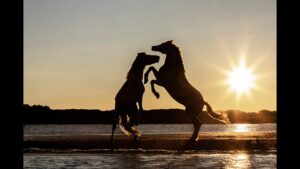
Lighting plays a critical role in photography, and horse photography is no exception. Natural light is often the best option, but it’s not always available or ideal. In such cases, artificial lighting can be used to supplement or replace natural light. This is especially important for indoor shoots or when shooting in low-light conditions.
Reflectors can be used to bounce sunlight onto the subject, filling in shadows and creating a more even exposure. Diffusers can soften harsh sunlight, creating a more flattering light for portraits. For more controlled lighting, strobes or speedlights can be used. These provide a powerful burst of light that can be adjusted to achieve the desired effect. However, it’s important to use strobes carefully around horses, as they can be easily startled by sudden flashes.
Consider these lighting tools:
- Reflectors: To bounce and redirect light.
- Diffusers: To soften harsh light.
- Strobes/Speedlights: For controlled lighting, especially indoors.
Remember to always prioritize the horse’s comfort and safety when using lighting equipment. Gradual introduction and careful positioning are key.
Mastering Composition and Lighting
Composition and lighting are two fundamental elements that can make or break a photograph. In professional horse photography, mastering these elements is crucial for creating visually appealing and impactful images.
Composition refers to the arrangement of elements within the frame, while lighting refers to the way light interacts with the subject and the environment. Both elements work together to create a mood, tell a story, and draw the viewer’s eye to the intended focal point.
Compositional Techniques
Several compositional techniques can be used to enhance horse photos. The rule of thirds is a classic technique that involves dividing the frame into nine equal parts with two horizontal and two vertical lines. Placing the subject along these lines or at their intersections can create a more balanced and visually appealing composition. Leading lines can be used to guide the viewer’s eye through the image, creating a sense of depth and movement. Symmetry and patterns can also be used to create visually striking compositions.
- Rule of Thirds: Place key elements along the lines or intersections.
- Leading Lines: Guide the viewer’s eye through the image.
- Symmetry: Use symmetrical elements for a balanced composition.
Consider the background when composing your shot. A cluttered or distracting background can detract from the subject. Choose a background that complements the horse and doesn’t compete for attention. A simple, uncluttered background can help to isolate the horse and make it stand out.
Utilizing Natural Light
Natural light is often the most flattering light for horse photography. The golden hour, which is the hour after sunrise and the hour before sunset, provides warm, soft light that can enhance the colors and textures of the horse’s coat. Overcast days can also provide beautiful, even light that is ideal for portraits. Avoid shooting in direct sunlight, as it can create harsh shadows and blown-out highlights.
Pay attention to the direction of the light. Side lighting can create dramatic shadows and highlight the horse’s musculature. Backlighting can create a soft, ethereal effect. Front lighting can provide even illumination, but it can also flatten the image. Experiment with different lighting angles to see what works best for your subject.
Remember to adjust your camera settings to properly expose the image. Use a wide aperture to create a shallow depth of field, blurring the background and isolating the horse. Use a fast shutter speed to freeze motion and prevent blur. Use a low ISO to minimize noise and maintain image quality.
Capturing Action Shots: Techniques and Tips
Capturing action shots of horses requires a different set of skills and techniques than capturing portraits. It involves anticipating the horse’s movements, using fast shutter speeds, and mastering focusing techniques.
Action shots can be incredibly dynamic and exciting, showcasing the horse’s athleticism and energy. However, they can also be challenging to capture, as horses move quickly and unpredictably. With practice and the right techniques, you can capture stunning action shots that freeze the moment in time.
Shutter Speed and Aperture
Shutter speed is the most important setting for capturing action shots. A fast shutter speed is necessary to freeze the motion of the horse and prevent blur. A general rule of thumb is to use a shutter speed of at least 1/500th of a second for horses in motion. However, faster shutter speeds may be necessary for faster movements, such as galloping or jumping. Experiment with different shutter speeds to see what works best for your subject and the speed of its movement.
Aperture also plays a role in action shots. A wide aperture (low f-number) can create a shallow depth of field, blurring the background and isolating the horse. However, a wide aperture can also make it difficult to keep the horse in focus, especially when it’s moving quickly. A narrower aperture (higher f-number) can increase the depth of field, making it easier to keep the horse in focus, but it can also make the background more distracting. Choose an aperture that balances the need for a shallow depth of field with the need for sharpness.
Focusing Techniques
Focusing is critical for capturing sharp action shots. Continuous autofocus (AF-C) mode is recommended for tracking moving subjects. This mode allows the camera to continuously adjust the focus as the horse moves. Use a single focus point or a small group of focus points to target the horse’s eye or another key area. Practice panning with the horse as it moves, keeping the focus point on the target area. This technique can help to create a sense of motion and blur the background, making the horse stand out.
Anticipation is key to capturing the perfect moment. Watch the horse’s movements and try to predict what it will do next. Pre-focus on the area where you expect the horse to be and be ready to press the shutter button when the moment arrives. Burst mode can also be helpful for capturing action shots. This mode allows you to take a series of photos in rapid succession, increasing your chances of capturing the perfect moment.
Safety Considerations
Safety should always be a top priority when capturing action shots of horses. Keep a safe distance from the horse and be aware of your surroundings. Avoid getting too close to the horse, especially when it’s moving quickly. Wear appropriate clothing and footwear and be prepared to move quickly if necessary. Communicate with the horse’s owner or handler to ensure that everyone is aware of the plan and that the horse is comfortable with the situation.
Consider the horse’s temperament and experience level before attempting any challenging action shots. Some horses may be more sensitive or reactive than others. Start with simple shots and gradually increase the difficulty as the horse becomes more comfortable.
Building Relationships with Horses and Owners
Successful professional horse photography isn’t just about technical skills; it’s also about building strong relationships with both the horses and their owners. These relationships are essential for creating a comfortable and collaborative environment, which ultimately leads to better photos.
Horses are sensitive animals, and they can sense when someone is nervous or uncomfortable. Building trust and rapport with the horse is crucial for capturing natural and authentic images. Similarly, building a strong relationship with the owner ensures that their vision is understood and respected, leading to a more satisfying experience for everyone involved.
Earning the Horse’s Trust
Before even picking up your camera, take the time to get to know the horse. Approach it calmly and quietly, speaking in a soothing voice. Offer it a treat, such as a carrot or apple, if the owner approves. Allow the horse to sniff you and get used to your presence. Avoid making sudden movements or loud noises, as these can startle the horse. Observe its body language and be respectful of its boundaries. If the horse seems nervous or uncomfortable, give it space and try again later.
- Approach calmly and quietly.
- Offer treats (with owner’s permission).
- Respect boundaries and body language.
Once the horse is comfortable with your presence, you can start to introduce your equipment. Show it your camera and let it sniff it. Make sure it doesn’t associate the camera with anything negative. Start by taking a few photos from a distance and gradually move closer as the horse becomes more accustomed to the camera. Use positive reinforcement, such as praise and treats, to reward the horse for good behavior.
Collaborating with the Owner
The owner is an invaluable resource when photographing their horse. They know their horse best and can provide insights into its personality, quirks, and preferences. Before the photoshoot, take the time to discuss the owner’s vision for the photos. What are they hoping to capture? What are their favorite angles and poses? What are their expectations for the final product? Listen carefully to their input and be willing to incorporate their ideas into your plan.
During the photoshoot, communicate with the owner and ask for their assistance. They can help to pose the horse, keep it calm, and ensure that it’s comfortable. They can also provide feedback on your photos and suggest adjustments as needed. Be respectful of their opinions and be willing to compromise. Remember, the goal is to create photos that both you and the owner are proud of.
After the photoshoot, stay in touch with the owner and provide them with regular updates on the progress of the editing process. Ask for their feedback on the final photos and be willing to make revisions if necessary. Building a strong relationship with the owner can lead to repeat business and referrals. It can also make the entire process more enjoyable and rewarding.
Consider offering a variety of packages to cater to different needs and budgets. This could include options for prints, digital files, and albums.
Common Mistakes and How to Avoid Them
Even experienced photographers make mistakes, and horse photography is no exception. Being aware of common pitfalls and knowing how to avoid them can significantly improve your results.
These mistakes often stem from a lack of preparation, understanding of equine behavior, or attention to detail. By addressing these issues, you can elevate your professional horse photography and deliver exceptional images.
Ignoring Safety Precautions
One of the most common and potentially dangerous mistakes is neglecting safety precautions. Horses are powerful animals, and even the most well-trained horse can be unpredictable. Always maintain a safe distance from the horse and be aware of your surroundings. Avoid standing directly behind the horse, as it could kick. Wear appropriate clothing and footwear that will protect you from injury. Communicate with the horse’s owner or handler to ensure that everyone is aware of the plan and that the horse is comfortable with the situation. Never attempt to photograph a horse without the owner’s permission or supervision.
- Maintain a safe distance.
- Avoid standing directly behind the horse.
- Wear appropriate clothing and footwear.
Another safety mistake is using flash photography without properly introducing the horse to the equipment. Sudden flashes of light can startle horses, causing them to bolt or become aggressive. If you plan to use flash photography, start by introducing the horse to the equipment gradually. Let it sniff the flash and get used to the sound. Start by taking a few photos from a distance and gradually move closer as the horse becomes more accustomed to the flash.
Poor Composition and Lighting
Poor composition and lighting are also common mistakes. A cluttered or distracting background can detract from the subject. Choose a background that complements the horse and doesn’t compete for attention. Pay attention to the direction of the light. Harsh sunlight can create unflattering shadows and blown-out highlights. Shoot in the shade or during the golden hour for softer, more flattering light. Use reflectors and diffusers to control the light and create a more even exposure.
Another compositional mistake is placing the horse in the center of the frame. This can create a static and uninteresting composition. Use the rule of thirds to create a more dynamic and visually appealing composition. Place the horse along one of the lines or at one of the intersections of the rule of thirds grid. This will draw the viewer’s eye to the horse and create a more balanced composition.
Consider experimenting with different angles and perspectives to create unique and interesting compositions. Try shooting from a low angle to make the horse look larger and more imposing. Try shooting from a high angle to create a sense of distance and perspective.
Marketing Your Professional Horse Photography Services
Once you’ve honed your skills and built a portfolio of stunning horse photos, it’s time to market your services and attract clients. Effective marketing is essential for building a successful professional horse photography business.
This involves creating a strong online presence, networking with potential clients, and showcasing your work in a compelling way. A multi-faceted approach will yield the best results in reaching your target audience.
Building an Online Presence
In today’s digital age, having a strong online presence is crucial for any business, including professional horse photography. Start by creating a professional website that showcases your best work. Your website should be visually appealing, easy to navigate, and mobile-friendly. Include high-quality images of your work, along with testimonials from satisfied clients. Make sure your contact information is prominently displayed and easy to find.
- Create a professional website.
- Showcase your best work.
- Include testimonials and contact information.
Social media is another powerful tool for marketing your services. Create accounts on popular platforms such as Instagram, Facebook, and Pinterest. Share your best photos on these platforms and engage with your followers. Use relevant hashtags to reach a wider audience. Run contests and promotions to generate buzz and attract new clients. Consider using paid advertising to target specific demographics and interests.
Networking and Partnerships
Networking is essential for building relationships with potential clients and partners. Attend horse shows, equestrian events, and other industry gatherings. Introduce yourself to horse owners, trainers, and breeders. Exchange business cards and follow up with them after the event. Join local equestrian organizations and participate in their activities. Offer your services to local stables and riding schools. Build relationships with other equine professionals, such as veterinarians, farriers, and equine massage therapists. These professionals can be valuable sources of referrals.
Consider offering discounts or special packages to clients who refer new business to you. This can be a great way to incentivize referrals and grow your client base.
Frequently asked questions about Professional horse photography
What makes professional horse photography different from amateur photography?
Professional horse photography combines technical expertise, artistic vision, and a deep understanding of equine behavior to capture high-quality images that showcase the horse’s beauty and personality. Amateurs may lack the specialized equipment, knowledge, and experience to achieve the same level of results.
What equipment is essential for professional horse photography?
Essential equipment includes a DSLR or mirrorless camera with interchangeable lenses (such as a telephoto lens), lighting equipment (reflectors, diffusers, strobes), and accessories like a tripod and memory cards. The specific equipment will depend on the type of photography you’re pursuing.
How can I improve my composition in horse photography?
Use compositional techniques like the rule of thirds, leading lines, and symmetry to create visually appealing images. Pay attention to the background and choose a background that complements the horse. Experiment with different angles and perspectives.
What are some tips for capturing action shots of horses?
Use a fast shutter speed (at least 1/500th of a second) to freeze the motion of the horse. Use continuous autofocus (AF-C) mode to track the horse as it moves. Practice panning with the horse and use burst mode to capture a series of photos in rapid succession.
How important is it to build relationships with horses and owners?
Building strong relationships with both the horses and their owners is crucial for creating a comfortable and collaborative environment, which ultimately leads to better photos. Earning the horse’s trust and understanding the owner’s vision are essential for capturing natural and authentic images.
What are some common mistakes to avoid in horse photography?
Common mistakes include ignoring safety precautions, using poor composition and lighting, and failing to build relationships with the horses and owners. Being aware of these pitfalls and knowing how to avoid them can significantly improve your results.
How can I market my professional horse photography services?
Create a professional website that showcases your best work. Use social media to share your photos and engage with your followers. Network with potential clients and partners at horse shows and equestrian events. Offer discounts or special packages to clients who refer new business to you.
What are the best times of day to shoot horses?
The “golden hour,” shortly after sunrise and before sunset, offers the most flattering light for horse photography. Overcast days can also provide soft, even lighting. Avoid shooting in direct midday sun, which creates harsh shadows.
Conclusion
Professional horse photography is a rewarding field that combines technical skill, artistic vision, and a love for horses. By mastering the techniques and tips outlined in this guide, you can capture stunning images that showcase the beauty and personality of these magnificent animals.
Ready to take your horse photography to the next level? Explore advanced techniques and start building your professional portfolio today!