- Action camera horse ride: 7 Best Essential Tips [Year]
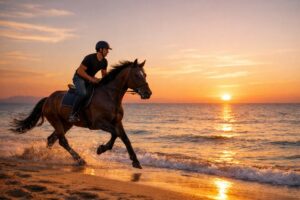
An action camera horse ride combines the thrill of equestrian sports with the ability to capture immersive video footage. It allows riders to document their experiences, share their adventures, and analyze their performance, creating a unique and engaging perspective
Table of Contents
Understanding the Action Camera Horse Ride Experience
The action camera horse ride experience is about more than just recording a video. It’s about capturing the essence of the ride, the connection between horse and rider, and the beauty of the surrounding environment. It provides a first-person perspective that allows viewers to feel like they are right there in the saddle.
This experience is valuable for both recreational riders and competitive equestrians. Recreational riders can use action cameras to document their trail rides, share their adventures with friends and family, and relive their favorite moments. Competitive riders can use the footage to analyze their technique, identify areas for improvement, and showcase their skills to potential sponsors or coaches.
The Benefits of Using an Action Camera
There are several benefits to using an action camera while horse riding:
- Preserving Memories: Action cameras allow you to capture and preserve your riding experiences in high-quality video.
- Sharing Adventures: You can easily share your videos on social media, allowing friends and family to experience your rides vicariously.
- Analyzing Technique: Riders can review their footage to identify areas where they can improve their riding technique.
- Creating Content: Action camera footage can be used to create engaging content for blogs, vlogs, or social media channels.
The ability to analyze riding technique is particularly useful. By reviewing footage, riders can identify subtle movements or imbalances that they might not be aware of during the ride. This can lead to more effective training and improved performance. Consider, for example, a rider who consistently leans slightly to one side. By reviewing action camera footage, they can become aware of this tendency and work to correct it.

Choosing the Right Action Camera for Horse Riding
Selecting the right action camera is crucial for capturing high-quality footage while horse riding. Several factors should be considered, including image quality, durability, battery life, and mounting options.
The ideal camera balances these features with your budget and specific needs. For instance, a professional equestrian seeking to create high-end promotional videos might prioritize image quality and stabilization, even at a higher cost. A recreational rider, on the other hand, might prioritize affordability and ease of use.
Key Features to Consider
Here are some key features to consider when choosing an action camera for horse riding:
- Image Quality: Look for a camera that can record in at least 1080p resolution, and preferably 4K for sharper, more detailed footage.
- Stabilization: Image stabilization is essential for reducing camera shake and producing smooth, watchable video, especially when riding over rough terrain.
- Durability: Choose a camera that is waterproof and shockproof to withstand the rigors of horse riding.
- Battery Life: Consider the battery life of the camera, as you’ll want to be able to record for at least an hour or two on a single charge.
- Mounting Options: Ensure that the camera has a variety of mounting options available, so you can easily attach it to your helmet, chest, or other gear.
Consider the GoPro Hero series, known for their excellent image quality and stabilization. The DJI Osmo Action is another popular choice, offering similar features at a competitive price. For budget-conscious riders, the AKASO Brave series provides good value for money. Remember to read reviews and compare specifications before making a final decision.
Consider the environment where you will be riding. If you frequently ride in dusty conditions, look for a camera with a lens cover or a protective case. If you ride in wet conditions, ensure that the camera is fully waterproof. The horse riding experience can be enhanced with the right equipment.
Mounting Options for Action Cameras on Horse Riding Gear
Properly mounting your action camera is essential for capturing stable and comfortable footage. Several mounting options are available, each with its own advantages and disadvantages. The best option will depend on your personal preferences and the type of footage you want to capture.
Experiment with different mounting positions to find what works best for you. Consider the angle of the camera, the field of view, and the amount of movement that is transmitted to the camera. It’s also important to ensure that the mount is secure and won’t come loose during the ride.
Popular Mounting Locations
Here are some popular mounting locations for action cameras on horse riding gear:
- Helmet Mount: A helmet mount provides a rider’s-eye view of the action. It’s a popular choice for capturing immersive footage.
- Chest Mount: A chest mount offers a more stable perspective than a helmet mount, as it’s less susceptible to head movements.
- Horse Mount: Mounting the camera on the horse itself can provide unique and interesting perspectives. However, it’s important to ensure that the mount is secure and won’t cause discomfort to the horse.
- Handlebar Mount: If you are using a cart or carriage, a handlebar mount can provide a stable and wide view of the surroundings.
When using a helmet mount, make sure that the camera is securely attached and doesn’t obstruct your vision. A chest mount can be a good option if you want to capture more of the horse’s movement in the frame. If you choose to mount the camera on the horse, use a specialized mount that is designed to be comfortable and safe for the animal. Always prioritize the horse’s well-being and avoid any mounting positions that could cause discomfort or injury. Consider booking a horse riding trip to test different mounting options.
Essential Camera Settings for Optimal Horse Riding Footage
Optimizing your camera settings is crucial for capturing high-quality footage in various lighting conditions and riding scenarios. Understanding the basics of resolution, frame rate, and field of view can significantly improve the final product.
Experiment with different settings to find what works best for your specific camera and riding style. Pay attention to the lighting conditions and adjust your settings accordingly. For example, on a bright sunny day, you may need to reduce the exposure to prevent overexposure. On a cloudy day, you may need to increase the ISO to brighten the image.
Key Camera Settings
Here are some essential camera settings to consider for horse riding footage:
- Resolution: Choose a resolution that balances image quality with file size. 1080p is a good starting point, but 4K offers more detail.
- Frame Rate: A higher frame rate (e.g., 60fps) allows for smoother slow-motion playback. 30fps is generally sufficient for normal speed footage.
- Field of View: A wider field of view captures more of the surrounding environment, while a narrower field of view provides a more focused perspective.
- Image Stabilization: Enable image stabilization to reduce camera shake and produce smoother video.
- Exposure: Adjust the exposure to properly expose the image in different lighting conditions.
Consider using a resolution of 1080p at 60fps for most riding situations. This will provide a good balance of image quality and file size, while also allowing for smooth slow-motion playback. Experiment with different fields of view to find what works best for your riding style. A wider field of view can be useful for capturing the scenery, while a narrower field of view can be better for focusing on the action. Always enable image stabilization to minimize camera shake. Adjust the exposure as needed to ensure that the image is properly exposed. If you’re riding in bright sunlight, you may need to reduce the exposure to prevent overexposure. If you’re riding in low light, you may need to increase the exposure to brighten the image. You can even capture footage during a sunrise horse riding session.
Tips for Capturing Stable and Engaging Video While Riding
Capturing stable and engaging video while riding requires a combination of proper technique, camera settings, and awareness of your surroundings. By following these tips, you can significantly improve the quality of your footage and create more compelling videos.
Remember that practice makes perfect. The more you ride with your action camera, the better you will become at capturing stable and engaging footage. Don’t be afraid to experiment with different techniques and settings to find what works best for you. Consider taking a private horse riding lesson to improve your riding skills.
Techniques for Stable Footage
Here are some techniques for capturing stable footage while riding:
- Use Your Body as a Stabilizer: Try to keep your body as still as possible while riding. Use your core muscles to absorb shocks and minimize movement.
- Choose Smooth Terrain: Opt for smoother trails or arenas whenever possible to reduce camera shake.
- Adjust Your Riding Style: Adapt your riding style to minimize jerky movements. For example, try to sit deeper in the saddle and avoid posting too high.
- Use a Gimbal: A gimbal is a motorized stabilizer that can significantly reduce camera shake. However, gimbals can be expensive and require some practice to use effectively.
Tips for Engaging Video
- Vary Your Shots: Mix up your shots by changing the camera angle, field of view, and mounting location.
- Tell a Story: Think about the story you want to tell with your video and capture footage that supports that narrative.
- Include Sound: Sound can add a lot to your video. Consider using an external microphone to capture better audio.
- Add Music and Effects: Music and effects can enhance the emotional impact of your video.
When riding, focus on maintaining a smooth and balanced posture. Use your legs and core to absorb the horse’s movements, rather than relying on your hands. This will help to reduce camera shake and produce more stable footage. Choose trails that are relatively smooth and free of obstacles. If you encounter rough terrain, slow down and try to maintain a steady pace. Vary your shots by changing the camera angle and field of view. For example, you might start with a wide shot of the landscape, then zoom in on a specific detail. Consider the beach desert horse riding experience and how to capture the unique landscape.
Common Mistakes to Avoid When Using Action Cameras While Horse
Riding
Even with the best equipment and techniques, it’s easy to make mistakes when using action cameras while horse riding. By being aware of these common pitfalls, you can avoid them and capture better footage.
One of the biggest mistakes is failing to check the camera settings before starting a ride. Make sure that the camera is set to the correct resolution, frame rate, and field of view. Also, check the battery level and ensure that you have enough storage space on your memory card. It’s also important to be aware of your surroundings and avoid any hazards that could damage the camera or injure you or your horse.
Common Mistakes
Here are some common mistakes to avoid:
- Forgetting to Charge the Battery: Always make sure your camera is fully charged before heading out for a ride.
- Not Checking the Memory Card: Ensure that your memory card has enough storage space for your ride.
- Using Incorrect Camera Settings: Use the appropriate camera settings for the lighting conditions and riding scenario.
- Failing to Secure the Mount: Make sure that the camera mount is securely attached to your gear.
- Ignoring Safety Precautions: Always prioritize safety and avoid any hazards that could damage the camera or injure you or your horse.
Another common mistake is failing to properly secure the camera mount. A loose mount can cause the camera to shake or even fall off, resulting in unusable footage. Before each ride, double-check that the mount is securely attached to your helmet, chest, or other gear. Also, be aware of the camera’s limitations. Action cameras are not designed to be used in extreme conditions, such as heavy rain or snow. If you’re riding in such conditions, take extra precautions to protect the camera from the elements. Consider the safety of the horse and ensure that the camera does not cause any discomfort or injury. Always be mindful of the horse’s behavior and adjust your riding accordingly. Avoid sudden movements or loud noises that could startle the horse. Consider the swimming with horses in Hurghada experience and the precautions needed to protect the camera.
Editing and Sharing Your Action Camera Horse Ride Videos
Once you’ve captured your action camera horse ride footage, the next step is to edit and share your videos. Editing allows you to trim unwanted footage, add music and effects, and create a polished final product. Sharing allows you to showcase your adventures to friends, family, and the wider equestrian community.
There are many different video editing software options available, ranging from free and easy-to-use programs to professional-grade software. Choose a program that meets your needs and skill level. Once you’ve edited your video, you can share it on social media platforms like YouTube, Vimeo, and Facebook. You can also share it on equestrian-specific forums and websites. Remember to tag your videos with relevant keywords to help people find them.
Editing Software Options
Here are some popular video editing software options:
- iMovie (Free): iMovie is a free and easy-to-use video editing program that comes pre-installed on Macs.
- Windows Movie Maker (Free): Windows Movie Maker is a free video editing program that is available for Windows computers.
- Adobe Premiere Pro (Paid): Adobe Premiere Pro is a professional-grade video editing program that offers a wide range of features and capabilities.
- Final Cut Pro (Paid): Final Cut Pro is another professional-grade video editing program that is popular among filmmakers and video editors.
Sharing Platforms
Here are some popular platforms for sharing your action camera horse ride videos:
- YouTube: YouTube is the most popular video-sharing platform in the world.
- Vimeo: Vimeo is a video-sharing platform that is popular among filmmakers and video editors.
- Facebook: Facebook is a social media platform that allows you to share videos with your friends and family.
- Instagram: Instagram is a social media platform that is popular for sharing short videos and photos.
When editing your videos, start by trimming any unwanted footage, such as shaky or boring sections. Add music and effects to enhance the emotional impact of your video. Consider adding text overlays to provide context or highlight key moments. When sharing your videos, write a compelling description that captures the essence of your ride. Use relevant keywords to help people find your videos. Engage with your viewers by responding to comments and questions. By following these tips, you can create and share engaging action camera horse ride videos that will inspire and entertain your audience. If you are looking for more information, you can check out Wikipedia.
Frequently asked questions about Action camera horse ride
What is the best action camera for horse riding?
The best action camera for horse riding depends on your budget and needs. GoPro and DJI are popular choices, known for their image quality and stabilization. AKASO offers more affordable options.
Where should I mount my action camera when horse riding?
Popular mounting locations include the helmet, chest, or directly on the horse using specialized mounts. Experiment to find what provides the most stable and comfortable perspective.
What camera settings should I use for horse riding footage?
A good starting point is 1080p resolution at 60fps. Enable image stabilization and adjust the exposure as needed for the lighting conditions.
How can I capture stable footage while riding?
Use your body as a stabilizer, choose smooth terrain, adjust your riding style, and consider using a gimbal for advanced stabilization.
What are some common mistakes to avoid when using action cameras while horse riding?
Forgetting to charge the battery, not checking the memory card, using incorrect camera settings, and failing to secure the mount are common mistakes.
What software can I use to edit my horse riding videos?
Free options include iMovie and Windows Movie Maker. Paid options include Adobe Premiere Pro and Final Cut Pro.
How can I share my action camera horse ride videos?
Share your videos on platforms like YouTube, Vimeo, Facebook, and Instagram. Use relevant keywords to help people find your videos.
Is it safe to mount an action camera on my horse?
Yes, but use specialized mounts designed for horses and ensure they are comfortable and secure. Prioritize the horse’s well-being and avoid any mounting positions that could cause discomfort or injury.
{
“@context”: “https://schema.org”,
“@type”: “FAQPage”,
“mainEntity”: [
{
“@type”: “Question”,
“name”: “What is the best action camera for horse riding?”,
“acceptedAnswer”: { “@type”: “Answer”, “text”: “The best action camera for horse riding depends on your budget and needs. GoPro and DJI are popular choices, known for their image quality and stabilization. AKASO offers more affordable options.” }
},
{
“@type”: “Question”,
“name”: “Where should I mount my action camera when horse riding?”,
“acceptedAnswer”: { “@type”: “Answer”, “text”: “Popular mounting locations include the helmet, chest, or directly on the horse using specialized mounts. Experiment to find what provides the most stable and comfortable perspective.” }
},
{
“@type”: “Question”,
“name”: “What camera settings should I use for horse riding footage?”,
“acceptedAnswer”: { “@type”: “Answer”, “text”: “A good starting point is 1080p resolution at 60fps. Enable image stabilization and adjust the exposure as needed for the lighting conditions.” }
},
{
“@type”: “Question”,
“name”: “How can I capture stable footage while riding?”,
“acceptedAnswer”: { “@type”: “Answer”, “text”: “Use your body as a stabilizer, choose smooth terrain, adjust your riding style, and consider using a gimbal for advanced stabilization.” }
},
{
“@type”: “Question”,
“name”: “What are some common mistakes to avoid when using action cameras while horse riding?”,
“acceptedAnswer”: { “@type”: “Answer”, “text”: “Forgetting to charge the battery, not checking the memory card, using incorrect camera settings, and failing to secure the mount are common mistakes.” }
},
{
“@type”: “Question”,
“name”: “What software can I use to edit my horse riding videos?”,
“acceptedAnswer”: { “@type”: “Answer”, “text”: “Free options include iMovie and Windows Movie Maker. Paid options include Adobe Premiere Pro and Final Cut Pro.” }
},
{
“@type”: “Question”,
“name”: “How can I share my action camera horse ride videos?”,
“acceptedAnswer”: { “@type”: “Answer”, “text”: “Share your videos on platforms like YouTube, Vimeo, Facebook, and Instagram. Use relevant keywords to help people find your videos.” }
},
{
“@type”: “Question”,
“name”: “Is it safe to mount an action camera on my horse?”,
“acceptedAnswer”: { “@type”: “Answer”, “text”: “Yes, but use specialized mounts designed for horses and ensure they are comfortable and secure. Prioritize the horse’s well-being and avoid any mounting positions that could cause discomfort or injury.” }
}
]
}
Conclusion
Capturing your action camera horse ride adventures allows you to relive and share your experiences in a unique and engaging way. By choosing the right camera, mounting it properly, optimizing your settings, and following these tips, you can create stunning videos that capture the beauty and excitement of equestrian sports.
Ready to start documenting your own action camera horse ride adventures? Explore the options, experiment with different techniques, and share your experiences with the world!