Long distance camel trek: 7 Proven & Amazing Benefits
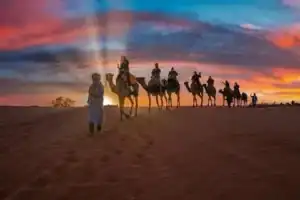
A long distance camel trek is an extraordinary journey involving traveling across vast landscapes, often deserts, for extended periods using camels as the primary mode of transportation. This type of adventure offers a unique blend of physical challenge, cultural immersion, and unparalleled connection with nature. It’s more than just a trip; it’s a transformative experience.
Understanding the Essence of a Long Distance Camel Trek
A long distance camel trek is not simply a vacation; it’s an expedition that requires significant preparation, resilience, and respect for the environment. It involves navigating through challenging terrains, enduring harsh weather conditions, and relying on camels for transportation and companionship.
The essence of a long distance camel trek lies in its simplicity and authenticity. It’s about disconnecting from the modern world and immersing oneself in the rhythm of nature, experiencing the vastness of the desert, and forging a deep connection with these incredible animals.

Defining ‘Long Distance’ in Camel Treks
What constitutes a ‘long distance’ camel trek? While there’s no universally agreed-upon definition, it generally refers to journeys that span several days or even weeks, covering hundreds of kilometers. These treks often involve crossing entire deserts or traversing vast stretches of arid land.
- Duration: Treks typically last from 5 days to several weeks.
- Distance: Covering distances from 100 km to over 500 km.
- Terrain: Often involves crossing deserts, mountains, or other challenging landscapes.
The length and difficulty of a long distance camel trek depend on various factors, including the terrain, weather conditions, and the experience level of the participants. Proper planning and preparation are crucial for a safe and successful journey. For example, a trek across the Sahara Desert would be significantly more challenging than a shorter trek in a less extreme environment. The Sahara presents unique challenges such as extreme heat, sandstorms, and limited access to water, demanding a higher level of preparedness and resilience.
Why Undertake a Long Distance Camel Trek?
The allure of a long distance camel trek lies in its transformative potential. It’s an opportunity to challenge oneself physically and mentally, to disconnect from the distractions of modern life, and to reconnect with nature in its rawest form. Moreover, it offers a unique cultural experience, allowing travelers to interact with local communities and learn about their traditions and way of life.
Many people seek out long distance camel treks as a form of personal growth and self-discovery. The challenges encountered along the way can lead to increased self-confidence, resilience, and a deeper understanding of one’s own capabilities. It’s an experience that can leave a lasting impact on one’s perspective and values.
Benefits of a Long Distance Camel Trek
There are numerous benefits to undertaking a long distance camel trek, ranging from physical and mental health improvements to cultural enrichment and personal growth.
- Physical Fitness: Camel trekking is a physically demanding activity that can improve cardiovascular health, endurance, and strength. The constant walking and physical exertion contribute to overall fitness.
- Mental Well-being: Spending time in nature has been shown to reduce stress, anxiety, and depression. The solitude and tranquility of the desert can be incredibly therapeutic.
- Cultural Immersion: Interacting with local communities and learning about their traditions provides a unique cultural experience that broadens one’s perspective. You might learn about traditional desert survival techniques, local crafts, or ancient stories passed down through generations.
- Personal Growth: Overcoming challenges and pushing oneself beyond one’s comfort zone can lead to increased self-confidence, resilience, and a deeper understanding of one’s own capabilities.
- Environmental Awareness: Experiencing the fragility of desert ecosystems firsthand can foster a greater appreciation for the environment and the importance of conservation.
For example, consider a trek through the Thar Desert in India. Participants not only experience the physical challenges of the journey but also have the opportunity to interact with the local Rajasthani communities, learning about their unique culture, traditions, and way of life. This cultural exchange enriches the experience and provides a deeper understanding of the region’s history and heritage. Furthermore, the stark beauty of the desert landscape and the challenges of navigating through it can foster a sense of personal growth and resilience.
Preparing for Your Long Distance Camel Trek
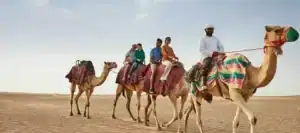
Proper preparation is paramount for a safe and enjoyable long distance camel trek. This includes physical conditioning, mental preparation, and careful planning of logistics, such as equipment, supplies, and route selection.
Failing to adequately prepare can lead to discomfort, injury, or even life-threatening situations. It’s essential to assess your fitness level, identify potential risks, and take appropriate measures to mitigate them. Moreover, understanding the local culture and customs is crucial for respectful and harmonious interactions with local communities.
Key Aspects of Preparation
Preparing for a long distance camel trek involves several key aspects, each of which requires careful consideration and planning.
- Physical Conditioning: Engage in regular exercise to improve cardiovascular health, endurance, and strength. Focus on activities that mimic the physical demands of camel trekking, such as hiking, walking, and carrying heavy loads. Camel riding requires specific muscle groups to maintain balance and posture.
- Mental Preparation: Develop mental resilience and a positive attitude. Visualize the challenges you may encounter and practice coping strategies. Meditation and mindfulness techniques can be helpful in managing stress and anxiety.
- Equipment and Supplies: Choose high-quality, durable equipment that is appropriate for the environment. This includes a sturdy backpack, comfortable hiking boots, appropriate clothing, a reliable water filter, and a comprehensive first-aid kit.
- Route Planning: Research the route thoroughly and identify potential hazards, water sources, and campsites. Consider the terrain, weather conditions, and availability of supplies. Consult with experienced guides or local experts for valuable insights.
- Cultural Awareness: Learn about the local culture and customs to ensure respectful and harmonious interactions with local communities. Dress modestly, be mindful of local traditions, and seek permission before taking photographs.
For instance, consider preparing for a trek in the Gobi Desert. Physical conditioning would involve extensive hiking and endurance training to withstand the harsh conditions. Mental preparation would include practicing mindfulness techniques to manage the solitude and isolation. Equipment would need to be carefully selected to withstand extreme temperatures and sandstorms. Route planning would require identifying reliable water sources and potential campsites. Cultural awareness would involve learning about the Mongolian nomadic culture and customs to ensure respectful interactions with local herders. By addressing each of these aspects, you can significantly increase your chances of a safe and rewarding journey. It’s also wise to pack versatile clothing that can be layered to adapt to changing temperatures, as desert climates often experience significant temperature swings between day and night. A good quality sleeping bag suitable for low temperatures is also essential for comfortable rest.
Essential Skills for a Successful Camel Trek
In addition to physical and mental preparation, certain skills are essential for a successful long distance camel trek. These include camel handling, navigation, first aid, and survival skills.
Lacking these skills can significantly increase the risk of accidents, injuries, or getting lost. It’s crucial to acquire the necessary knowledge and practice before embarking on a trek. Moreover, understanding basic communication with camels is essential for building a trusting relationship and ensuring their well-being.
Key Skills for Camel Trekkers
Mastering these skills will greatly enhance your safety, comfort, and enjoyment during a long distance camel trek.
- Camel Handling: Learn how to properly saddle, load, and lead a camel. Understand their behavior and communicate effectively with them. Practice mounting and dismounting safely. Horse riding experience can be helpful, but camel riding is different.
- Navigation: Master basic navigation techniques, including using a map, compass, and GPS. Learn how to read the landscape and identify landmarks. Practice navigating in different weather conditions.
- First Aid: Acquire basic first-aid skills to treat common injuries and illnesses. Learn how to recognize and respond to dehydration, heatstroke, and other medical emergencies. Carry a comprehensive first-aid kit and know how to use it.
- Survival Skills: Learn essential survival skills, such as building a fire, finding water, and constructing a shelter. Understand how to protect yourself from the elements and wildlife. Practice these skills in a safe environment before embarking on a trek.
- Communication: Learn basic phrases in the local language to communicate with local communities. This can facilitate interactions, build trust, and enhance your cultural experience.
For example, consider a trek through the Australian Outback. Camel handling skills would be crucial for managing the camels and ensuring their well-being in the harsh environment. Navigation skills would be essential for navigating the vast, featureless landscape. First-aid skills would be necessary for treating injuries and illnesses in remote areas. Survival skills would be vital for finding water and shelter in the arid environment. Communication skills would be helpful for interacting with local Aboriginal communities. By developing these skills, you can significantly increase your chances of a safe and rewarding journey. It’s also important to learn how to identify edible plants and insects in the event of food scarcity, as well as how to signal for help in case of emergency. Understanding basic astronomy can also be helpful for navigation at night.
Common Misconceptions and Risks of Long Distance Camel Treks
Despite the allure of long distance camel treks, there are several common misconceptions and risks that need to be addressed. Many people underestimate the physical and mental demands of the journey, as well as the potential dangers involved.
Ignoring these risks can lead to serious consequences, including injury, illness, or even death. It’s essential to be aware of the potential hazards and take appropriate precautions to mitigate them. Moreover, understanding the limitations of camels and respecting their needs is crucial for their well-being.
Addressing Misconceptions and Mitigating Risks
By addressing these misconceptions and mitigating the risks, you can significantly increase your chances of a safe and enjoyable long distance camel trek.
- Misconception: Camel treks are easy and relaxing. Reality: Camel treks are physically and mentally demanding, requiring significant endurance and resilience.
- Risk: Dehydration and heatstroke. Mitigation: Drink plenty of water, wear appropriate clothing, and avoid strenuous activity during the hottest part of the day. Carry electrolyte supplements to replenish lost minerals.
- Risk: Injuries from falls or animal bites. Mitigation: Wear appropriate footwear, be cautious around camels, and seek medical attention immediately if injured. Learn basic first-aid techniques for treating common injuries.
- Risk: Getting lost. Mitigation: Master basic navigation techniques, carry a map and compass, and inform someone of your route and expected return time. Consider using a GPS device for added security.
- Misconception: Camels are invincible. Reality: Camels are susceptible to illness and injury and require proper care and attention.
For instance, consider the misconception that camel treks are suitable for everyone. In reality, individuals with pre-existing medical conditions, such as heart problems or respiratory issues, may be at increased risk. It’s essential to consult with a doctor before embarking on a trek to assess your fitness level and identify any potential health concerns. Similarly, the risk of encountering dangerous wildlife, such as snakes or scorpions, should not be underestimated. Wearing appropriate footwear and being vigilant can help prevent bites and stings. It’s also important to be aware of the signs of heat exhaustion and heatstroke and take immediate action if symptoms develop. Learning how to properly hydrate and regulate your body temperature is crucial for preventing these conditions. Additionally, ensure you have adequate travel insurance that covers medical emergencies and evacuation in remote areas.
The Environmental Impact of Camel Treks
Long distance camel treks can have both positive and negative impacts on the environment. While they can promote sustainable tourism and raise awareness about conservation, they can also contribute to habitat degradation, pollution, and disturbance of wildlife.
It’s essential to minimize the negative impacts and maximize the positive ones by adopting responsible trekking practices. This includes respecting local ecosystems, minimizing waste, and supporting local communities. Moreover, educating travelers about the importance of environmental conservation is crucial for fostering a sense of responsibility.
Promoting Sustainable Camel Trekking
By adopting these practices, you can help ensure that long distance camel treks contribute to the preservation of the environment and the well-being of local communities.
- Minimize Waste: Pack out all trash and dispose of it properly. Avoid using single-use plastics and opt for reusable alternatives.
- Conserve Water: Use water sparingly and avoid polluting water sources. Carry a water filter to purify water from natural sources.
- Respect Wildlife: Observe wildlife from a distance and avoid disturbing their habitat. Do not feed animals or collect plants.
- Support Local Communities: Purchase goods and services from local businesses and hire local guides. Respect local customs and traditions.
- Educate Others: Share your knowledge and experiences with others to raise awareness about environmental conservation. Encourage responsible trekking practices. Private tours can be tailored to minimize environmental impact.
For example, consider the impact of camel grazing on fragile desert ecosystems. Overgrazing can lead to soil erosion, loss of vegetation, and degradation of habitat. To mitigate this impact, it’s important to limit the number of camels grazing in a particular area and rotate grazing areas to allow vegetation to recover. Similarly, the use of firewood for cooking and heating can contribute to deforestation and air pollution. Using alternative fuel sources, such as portable stoves, can help reduce this impact. It’s also important to be mindful of the impact of human waste on water sources. Using designated latrines or burying waste properly can help prevent contamination. Furthermore, supporting local conservation efforts, such as tree planting initiatives or wildlife protection programs, can help offset the negative impacts of camel trekking. By actively engaging in conservation efforts, you can contribute to the long-term sustainability of these unique environments. Consider donating to local environmental organizations or volunteering your time to assist with conservation projects. This demonstrates a commitment to preserving the natural beauty and ecological integrity of the regions you visit.
Frequently asked questions about Long distance camel trek
What is the best time of year for a long distance camel trek?
The best time of year depends on the specific location, but generally, it’s during the cooler months to avoid extreme heat. Spring and fall are often ideal, offering milder temperatures and more comfortable trekking conditions.
How much does a long distance camel trek cost?
The cost varies depending on the duration, location, and level of service. It can range from a few hundred dollars for a basic trek to several thousand dollars for a luxury experience. Consider all costs, including permits, equipment, and insurance.
What should I pack for a long distance camel trek?
Essentials include sturdy hiking boots, appropriate clothing for varying temperatures, a wide-brimmed hat, sunscreen, sunglasses, a water bottle or hydration pack, a first-aid kit, a map and compass, and a headlamp or flashlight.
How fit do I need to be for a long distance camel trek?
You should be in good physical condition with a reasonable level of fitness. Regular exercise, including hiking and cardiovascular training, is recommended in the months leading up to the trek. Consult your doctor before undertaking any strenuous activity.
Are long distance camel treks safe?
While there are inherent risks, such as dehydration, heatstroke, and injuries, long distance camel treks can be safe with proper planning and preparation. Choose reputable tour operators, follow safety guidelines, and be aware of potential hazards.
Can I do a long distance camel trek on my own?
While it’s possible to do a long distance camel trek independently, it’s generally not recommended, especially for inexperienced trekkers. Hiring a local guide can provide valuable expertise, ensure safety, and enhance your cultural experience. Private guides offer personalized support.
What type of camels are used for long distance treks?
The type of camel used depends on the region. Dromedary camels, with one hump, are common in Africa and the Middle East, while Bactrian camels, with two humps, are found in Central Asia. Both are well-suited for long distance travel.
How much weight can a camel carry on a long distance trek?
A healthy adult camel can typically carry between 150 and 200 kilograms (330-440 pounds) on a long distance trek. This includes the rider, equipment, and supplies. It’s important not to overload the camel to ensure its well-being.
Conclusion
A long distance camel trek offers a unique and transformative experience, blending physical challenge, cultural immersion, and a deep connection with nature. By understanding the essence of a long distance camel trek, preparing adequately, and respecting the environment, you can embark on an unforgettable adventure.
Ready to experience the magic of the desert? Contact us today to plan your own long distance camel trek and discover the wonders that await you. Don’t forget to check out our other tours as well!