Ship of the Desert Experience: 7 Best Free Tips
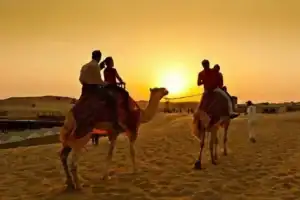
The Ship of the desert experience refers to traveling across desert landscapes, particularly via camel, and immersing oneself in the unique culture, environment, and challenges presented by these arid regions. It’s an adventure that combines physical endurance with a deep appreciation for the stark beauty and ecological significance of deserts.
Understanding the Ship of the Desert Experience
The Ship of the desert experience encapsulates more than just a journey; it’s a profound engagement with the desert environment. It involves understanding the delicate balance of desert ecosystems, appreciating the resourcefulness of desert inhabitants, and respecting the power of nature in its rawest form. This goes beyond simple tourism; it’s about fostering a connection with the desert and its people.
Historically, camels have been the primary mode of transport across deserts, earning the moniker “ships of the desert” due to their ability to withstand harsh conditions. Modern interpretations of this experience may include other forms of transportation, such as 4×4 vehicles or even guided hiking tours, but the core essence remains: an exploration of the desert’s unique characteristics.

The Historical Significance of Camels in Desert Travel
Camels are uniquely adapted to desert life. Their humps store fat, which can be converted to energy and water when needed. They can tolerate significant dehydration, and their wide feet prevent them from sinking into the sand. Historically, camels were essential for trade routes, military expeditions, and nomadic lifestyles. The Silk Road, for example, relied heavily on camel caravans to transport goods across vast desert stretches. Understanding this history adds depth to the modern Ship of the desert experience.
- Camels can travel for days without water.
- They can carry heavy loads across difficult terrain.
- Their thick fur provides insulation against both heat and cold.
Mini-takeaway: Appreciating the camel’s historical role provides context for understanding the challenges and adaptations necessary for desert survival.
Modern Interpretations of the Desert Journey
While camel treks remain a popular option, the Ship of the desert experience has evolved to include various activities. These can range from guided jeep tours and sandboarding to overnight camping under the stars and learning about traditional Bedouin culture. The key is to engage with the desert respectfully and sustainably, minimizing environmental impact and supporting local communities. Exploring the desert on horseback is also a fantastic way to connect with nature, and you can learn more about beach desert horse riding.
- Jeep tours offer a faster way to cover large distances.
- Sandboarding provides an adrenaline rush.
- Camping allows for stargazing and a deeper connection with the desert environment.
Mini-takeaway: Modern desert experiences cater to a wide range of interests and fitness levels, but responsible tourism is paramount.
The Importance of Sustainable Desert Tourism
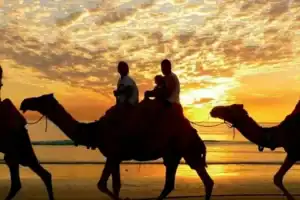
Deserts are fragile ecosystems, and tourism can have a significant impact. Sustainable practices are crucial to preserving these environments for future generations. This includes minimizing waste, conserving water, respecting wildlife, and supporting local communities. Choosing eco-friendly tour operators and being mindful of your actions can make a big difference. For instance, consider the impact of off-road driving on desert vegetation and soil erosion.
- Choose tour operators with environmental certifications.
- Pack out all trash and dispose of it properly.
- Conserve water by using it sparingly.
Mini-takeaway: Sustainable tourism protects the desert environment and supports the livelihoods of local communities.
Planning Your Ship of the Desert Adventure
Careful planning is essential for a safe and enjoyable Ship of the desert adventure. This involves considering the time of year, the specific desert you plan to visit, your fitness level, and your budget. Researching different tour operators and reading reviews can help you find the best option for your needs. It’s also important to understand the local customs and regulations.
Begin by defining your goals for the trip. Are you seeking adventure, relaxation, cultural immersion, or a combination of these? This will help you narrow down your options and choose the right type of experience. Exploring the desert on horseback can be a unique adventure, and you might be interested in horse riding.
Choosing the Right Desert Destination
Deserts vary greatly in terms of climate, landscape, and cultural attractions. The Sahara Desert in North Africa offers vast sand dunes and opportunities to experience Bedouin culture. The Atacama Desert in Chile is known for its otherworldly landscapes and stargazing opportunities. The Arabian Desert features stunning rock formations and ancient historical sites. Each desert offers a unique experience, so research your options carefully.
- Consider the climate and weather patterns of each desert.
- Research the available activities and attractions.
- Check for any travel advisories or safety concerns.
Mini-takeaway: Selecting the right desert destination is crucial for aligning your trip with your interests and ensuring a safe and enjoyable experience.
Selecting a Reputable Tour Operator
Choosing a reputable tour operator is essential for a safe and well-organized Ship of the desert experience. Look for companies with experienced guides, well-maintained equipment, and a commitment to sustainable tourism practices. Read reviews online and check for certifications from reputable organizations. A good tour operator will provide valuable insights into the desert environment and culture, ensuring a more enriching experience. You can also consider a private horse riding tour.
- Check for certifications and accreditations.
- Read reviews from previous customers.
- Inquire about the experience and qualifications of the guides.
Mini-takeaway: A reputable tour operator can enhance your safety and enjoyment while contributing to sustainable tourism.
Understanding Local Customs and Regulations
Respecting local customs and regulations is crucial for a positive and ethical Ship of the desert experience. Dress modestly, especially when visiting religious sites. Learn a few basic phrases in the local language. Be mindful of local customs regarding photography and interactions with local people. Adhering to these guidelines shows respect for the local culture and helps to foster positive relationships.
- Research local customs and traditions before your trip.
- Dress modestly and respectfully.
- Learn a few basic phrases in the local language.
Mini-takeaway: Showing respect for local customs enhances your experience and promotes positive cultural exchange.
Essential Gear and Preparation for Desert Travel
Proper gear and preparation are paramount for a safe and comfortable Ship of the desert experience. The desert environment can be harsh, with extreme temperatures, intense sunlight, and limited access to water. Packing the right clothing, equipment, and supplies can make a significant difference in your overall experience. It’s also important to be physically prepared for the challenges of desert travel.
Consider the specific conditions of the desert you plan to visit. Some deserts experience extreme heat during the day and cold temperatures at night. Others may have sandstorms or other weather hazards. Packing accordingly will help you stay comfortable and safe.
Clothing and Sun Protection
Appropriate clothing is essential for protecting yourself from the sun, heat, and cold. Loose-fitting, light-colored clothing is ideal for reflecting sunlight and promoting ventilation. A wide-brimmed hat, sunglasses, and sunscreen are crucial for protecting your skin and eyes from the intense sun. Consider wearing long sleeves and pants to minimize sun exposure. A lightweight scarf can also be useful for protecting your face and neck from sand and wind.
- Pack loose-fitting, light-colored clothing.
- Wear a wide-brimmed hat and sunglasses.
- Apply sunscreen liberally and frequently.
Mini-takeaway: Proper clothing and sun protection are essential for preventing sunburn, heatstroke, and other sun-related health problems.
Hydration and Water Management
Staying hydrated is crucial in the desert environment. Carry plenty of water and drink it regularly, even if you don’t feel thirsty. Consider using a hydration pack or water bottle with a filter to ensure access to clean drinking water. Electrolyte supplements can also help to replenish minerals lost through sweat. Learn about local water sources and how to purify water if necessary.
- Carry plenty of water and drink it regularly.
- Use a hydration pack or water bottle with a filter.
- Consider electrolyte supplements.
Mini-takeaway: Proper hydration is essential for preventing dehydration and maintaining energy levels in the desert.
Navigation and Safety Equipment
Navigation skills and safety equipment are essential for staying safe in the desert. Carry a map, compass, and GPS device, and know how to use them. A satellite phone or personal locator beacon (PLB) can be invaluable in case of emergency. A first-aid kit with essential supplies is also crucial. Learn basic survival skills, such as how to build a shelter and find water.
- Carry a map, compass, and GPS device.
- Have a satellite phone or personal locator beacon (PLB).
- Pack a first-aid kit with essential supplies.
Mini-takeaway: Navigation and safety equipment can help you stay safe and find your way in the desert, especially in case of emergency.
Navigating the Desert Landscape
Navigating the desert landscape presents unique challenges. The terrain can be featureless, making it easy to get lost. Sandstorms can reduce visibility to near zero. Extreme temperatures can quickly lead to heatstroke or hypothermia. Understanding these challenges and developing effective navigation strategies is crucial for a safe and successful Ship of the desert experience.
Learn how to read the landscape and identify landmarks. Pay attention to the position of the sun and stars. Use a compass and map to stay oriented. Be aware of the signs of dehydration and heatstroke, and take steps to prevent them.
Using Traditional Navigation Techniques
Traditional navigation techniques, such as using the sun and stars, can be invaluable in the desert. The sun rises in the east and sets in the west, providing a general sense of direction. At night, the North Star can be used to determine north. Learning these techniques can help you stay oriented even without modern technology. Local guides often possess a wealth of knowledge about traditional navigation methods.
- Learn how to use the sun and stars for navigation.
- Pay attention to the position of the sun throughout the day.
- Use the North Star to determine north at night.
Mini-takeaway: Traditional navigation techniques can provide a backup in case of equipment failure or loss of GPS signal.
Dealing with Sandstorms and Extreme Weather
Sandstorms and extreme weather conditions can pose significant challenges in the desert. During a sandstorm, seek shelter behind a rock or dune. Cover your face and eyes to protect them from the sand. Stay hydrated and avoid strenuous activity. In extreme heat, seek shade and drink plenty of water. In extreme cold, layer clothing and stay active to generate heat.
- Seek shelter during sandstorms.
- Cover your face and eyes to protect them from the sand.
- Stay hydrated and avoid strenuous activity in extreme heat.
Mini-takeaway: Knowing how to respond to sandstorms and extreme weather can help you stay safe and comfortable in the desert.
Recognizing and Avoiding Desert Hazards
The desert is home to various hazards, including venomous snakes, scorpions, and insects. Be aware of your surroundings and avoid disturbing wildlife. Wear closed-toe shoes and long pants to protect your feet and legs. Check your shoes and clothing for scorpions before putting them on. Learn how to identify and treat bites and stings. Also, be aware of quicksand and other unstable terrain.
- Be aware of your surroundings and avoid disturbing wildlife.
- Wear closed-toe shoes and long pants.
- Check your shoes and clothing for scorpions before putting them on.
Mini-takeaway: Recognizing and avoiding desert hazards can help you prevent injuries and stay safe.
Common Misconceptions and Risks
Several misconceptions surround the Ship of the desert experience. One common myth is that deserts are lifeless and barren. In reality, deserts are home to a diverse array of plants and animals that have adapted to the harsh conditions. Another misconception is that deserts are always hot. While some deserts experience extreme heat, others can be quite cold, especially at night. Understanding these misconceptions can help you prepare for a more realistic and enjoyable experience.
There are also inherent risks associated with desert travel. Dehydration, heatstroke, and sunburn are common concerns. Getting lost or injured can also pose serious threats. Taking precautions and being prepared can help mitigate these risks.
Misconception: Deserts are Barren and Lifeless
Many people believe that deserts are devoid of life, but this is far from the truth. Deserts are home to a surprising variety of plants and animals, each uniquely adapted to survive in the arid environment. Cacti, succulents, and drought-resistant shrubs thrive in the desert, providing food and shelter for various creatures. Animals like camels, foxes, snakes, and scorpions have developed special adaptations to conserve water and tolerate extreme temperatures. Exploring the desert ecosystem can be a fascinating and rewarding experience.
- Deserts are home to a diverse array of plants and animals.
- Many desert plants have adapted to store water.
- Desert animals have developed unique strategies for survival.
Mini-takeaway: Deserts are vibrant ecosystems with a surprising amount of biodiversity.
Risk: Dehydration and Heatstroke
Dehydration and heatstroke are serious risks in the desert. The dry air and intense sun can quickly lead to fluid loss and overheating. Symptoms of dehydration include thirst, headache, dizziness, and fatigue. Heatstroke is a more severe condition characterized by high body temperature, confusion, and loss of consciousness. To prevent dehydration and heatstroke, drink plenty of water, avoid strenuous activity during the hottest part of the day, and seek shade whenever possible.
- Drink plenty of water throughout the day.
- Avoid strenuous activity during the hottest hours.
- Seek shade and rest frequently.
Mini-takeaway: Staying hydrated and avoiding overheating are crucial for preventing dehydration and heatstroke.
Mistake: Underestimating the Power of the Sun
Underestimating the power of the sun is a common mistake among desert travelers. The sun’s rays can be incredibly intense, even on cloudy days. Sunburn can occur quickly and can be quite painful. Prolonged sun exposure can also lead to long-term skin damage. To protect yourself from the sun, wear sunscreen, a hat, and sunglasses. Cover your skin with clothing whenever possible. Seek shade during the hottest part of the day.
- Wear sunscreen with a high SPF.
- Wear a wide-brimmed hat and sunglasses.
- Cover your skin with clothing.
Mini-takeaway: Protecting yourself from the sun is essential for preventing sunburn and long-term skin damage.
Cultural Immersion and Respect
The Ship of the desert experience offers a unique opportunity to immerse yourself in local cultures and learn about traditional ways of life. Many desert regions are home to indigenous communities with rich histories and unique customs. Respecting these cultures and engaging with local people can enhance your experience and contribute to sustainable tourism. It’s important to approach cultural interactions with sensitivity and an open mind.
Learn about the history, customs, and traditions of the local people. Dress modestly and respectfully. Ask permission before taking photographs. Support local businesses and artisans. Be mindful of your impact on the environment and the local community.
Learning About Local History and Traditions
Learning about the history and traditions of local communities can enrich your Ship of the desert experience. Many desert regions have a long and fascinating history, with ancient ruins, historical sites, and cultural landmarks. Researching these sites before your trip can provide valuable context and enhance your appreciation for the local culture. Attending local festivals and events can also provide insights into traditional customs and beliefs. You might also find private horse riding tours that offer a cultural experience.
- Research the history and traditions of local communities.
- Visit historical sites and cultural landmarks.
- Attend local festivals and events.
Mini-takeaway: Learning about local history and traditions enhances your cultural immersion and understanding.
Supporting Local Businesses and Artisans
Supporting local businesses and artisans is a great way to contribute to sustainable tourism and help local communities thrive. Purchase souvenirs and crafts directly from local artisans. Eat at local restaurants and try traditional dishes. Stay at locally owned guesthouses and hotels. By supporting local businesses, you can help to preserve traditional crafts and create economic opportunities for local people. You can even find horse riding tours that support local communities.
- Purchase souvenirs and crafts from local artisans.
- Eat at local restaurants and try traditional dishes.
- Stay at locally owned guesthouses and hotels.
Mini-takeaway: Supporting local businesses helps to preserve traditional crafts and create economic opportunities for local people.
Practicing Responsible Photography
Practicing responsible photography is essential for showing respect for local cultures and avoiding causing offense. Always ask permission before taking photographs of people. Be mindful of local customs regarding photography, especially in religious sites. Avoid taking photographs that could be considered disrespectful or exploitative. Be sensitive to the privacy of local people. Also consider private horse riding tours.
- Ask permission before taking photographs of people.
- Be mindful of local customs regarding photography.
- Avoid taking photographs that could be considered disrespectful.
Mini-takeaway: Responsible photography shows respect for local cultures and avoids causing offense.
Frequently asked questions about Ship of the desert experience
What is the best time of year for a Ship of the desert experience?
The best time of year depends on the specific desert you plan to visit. Generally, the cooler months (fall and winter) are more comfortable for desert travel, as temperatures are milder. However, some deserts may experience cold temperatures at night during these months, so be prepared for varying conditions.
What should I pack for a Ship of the desert adventure?
Essential items include loose-fitting, light-colored clothing, a wide-brimmed hat, sunglasses, sunscreen, plenty of water, a map, compass, GPS device, a first-aid kit, and a satellite phone or personal locator beacon (PLB). Also, pack any necessary medications and personal hygiene items.
How can I stay safe in the desert?
Stay hydrated by drinking plenty of water. Protect yourself from the sun by wearing appropriate clothing and sunscreen. Be aware of your surroundings and avoid disturbing wildlife. Learn basic survival skills and carry essential safety equipment. Travel with a reputable tour operator and follow their instructions.
What are some common desert hazards?
Common desert hazards include dehydration, heatstroke, sunburn, venomous snakes, scorpions, and insects. Sandstorms and extreme weather conditions can also pose challenges. Be aware of these hazards and take precautions to avoid them.
How can I minimize my environmental impact in the desert?
Choose eco-friendly tour operators. Pack out all trash and dispose of it properly. Conserve water by using it sparingly. Respect wildlife and avoid disturbing their habitat. Support local communities by purchasing goods and services from local businesses.
What are some cultural considerations for desert travel?
Learn about local customs and traditions. Dress modestly and respectfully. Ask permission before taking photographs of people. Support local businesses and artisans. Be mindful of your impact on the environment and the local community. You might even find horse riding tours that offer a cultural experience.
Are there any specific vaccinations I need before traveling to the desert?
It’s always best to consult with your doctor or a travel clinic before traveling to any new region. They can advise you on necessary vaccinations and health precautions based on your specific destination and health history. Common recommendations might include vaccinations for tetanus, typhoid, and hepatitis A, depending on the region.
What kind of physical fitness level is required for a Ship of the desert experience?
The required fitness level depends on the type of activity you plan to undertake. A camel trek or hiking excursion will require a higher level of fitness than a jeep tour. It’s important to assess your own fitness level and choose activities that are appropriate for your abilities. Regular exercise and preparation before your trip can help you enjoy the experience more fully.
Conclusion
The Ship of the desert experience offers a unique opportunity to connect with nature, learn about different cultures, and challenge yourself physically and mentally. By planning carefully, packing appropriately, and respecting the environment and local customs, you can ensure a safe, enjoyable, and enriching adventure.
Ready to embark on your own Ship of the desert experience? Start planning your adventure today and discover the magic of the desert!