Desert trail riding Egypt: 7 Free & Effective Tips
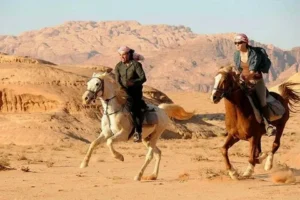
Desert trail riding Egypt offers a unique way to experience the country’s stunning landscapes, combining adventure with cultural immersion. It involves exploring the vast deserts of Egypt on horseback or other suitable mounts, providing an intimate connection with the environment. This activity is not just about riding; it’s about discovering the beauty and serenity of the Egyptian desert.
Understanding Desert Trail Riding in Egypt
Desert trail riding Egypt is more than just a recreational activity; it’s an immersive experience that allows you to connect with the country’s natural beauty and rich history. The vast, open landscapes of the Egyptian deserts provide a stunning backdrop for horseback riding, offering a sense of freedom and adventure that is hard to match. Whether you’re a seasoned equestrian or a beginner, there are options available to suit your skill level and preferences.
The allure of desert trail riding lies in its ability to transport you away from the hustle and bustle of modern life. As you traverse the sandy dunes and rocky terrains, you’ll be captivated by the tranquility and serenity of the desert environment. The rhythmic sound of hooves on the sand, the warm sun on your skin, and the endless horizon stretching out before you create an unforgettable sensory experience.
The Appeal of Desert Landscapes
The Egyptian desert is not just a barren wasteland; it’s a diverse and dynamic ecosystem that is home to a variety of plant and animal life. From towering sand dunes to rugged mountain ranges, the desert landscape offers a constantly changing panorama of breathtaking beauty. The colors of the sand shift with the changing light, creating a mesmerizing display of hues and shadows.
- Sunrise and Sunset Views: Witnessing the sunrise or sunset over the desert is a truly magical experience. The sky is ablaze with vibrant colors, painting a stunning backdrop for your ride.
- Unique Geological Formations: The desert is dotted with unique geological formations, such as canyons, mesas, and rock arches, which add to the visual appeal of the landscape.
- Opportunities for Wildlife Spotting: Keep an eye out for desert wildlife, such as foxes, gazelles, and various species of birds. Your guide can help you identify the different animals and plants that inhabit the desert.
Mini-takeaway: The desert offers a unique blend of tranquility, adventure, and natural beauty, making it an ideal destination for trail riding enthusiasts.
Historical and Cultural Significance
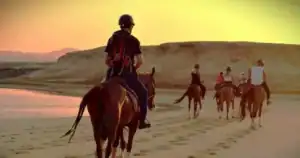
The Egyptian desert has played a significant role in the country’s history and culture. For centuries, it has been a vital trade route, a source of resources, and a place of refuge for nomadic tribes. Exploring the desert on horseback allows you to connect with this rich heritage and gain a deeper understanding of the region’s past.
- Ancient Trade Routes: Many of the trails you’ll ride on follow ancient trade routes that have been used for centuries by merchants and travelers.
- Bedouin Culture: The Bedouin people are the traditional inhabitants of the Egyptian desert. Interacting with them during your ride can provide insights into their unique culture and way of life.
- Historical Sites: Some desert trails lead to ancient ruins and historical sites, offering a glimpse into Egypt’s rich past.
Mini-takeaway: Desert trail riding provides a unique opportunity to explore Egypt’s historical and cultural heritage while enjoying the beauty of the natural landscape.
Types of Desert Trail Riding Experiences
There are various types of desert trail riding experiences available in Egypt, catering to different interests and skill levels. Whether you’re looking for a short day trip or a multi-day adventure, there’s an option to suit your needs.
- Day Trips: Day trips are a great option for those who want to experience desert trail riding without committing to a longer excursion. These trips typically last for a few hours and cover a relatively short distance.
- Multi-Day Treks: Multi-day treks offer a more immersive experience, allowing you to explore the desert in greater depth. These treks can last for several days or even weeks, and they often involve camping under the stars.
- Customized Tours: Many tour operators offer customized tours that can be tailored to your specific interests and preferences. Whether you want to focus on wildlife spotting, historical sites, or simply enjoying the scenery, a customized tour can provide a personalized experience.
Mini-takeaway: With a variety of options available, you can find a desert trail riding experience that perfectly matches your interests and skill level.

Preparing for Your Desert Ride
Proper preparation is crucial for a safe and enjoyable desert trail riding experience. This involves assessing your riding skills, understanding the physical demands of the activity, and taking necessary precautions to protect yourself from the harsh desert environment. By following these guidelines, you can ensure that your ride is both memorable and safe.
Before embarking on your desert adventure, it’s essential to evaluate your riding ability honestly. If you’re a beginner, consider taking a few lessons to familiarize yourself with basic riding techniques. Even experienced riders should take the time to brush up on their skills and adapt to the unique challenges of riding in the desert.
Assessing Your Riding Skills
Your riding skills will determine the type of trail riding experience that is suitable for you. Beginners may prefer shorter, easier trails, while experienced riders can tackle more challenging terrain. It’s important to be realistic about your abilities and choose a ride that is within your comfort zone.
- Beginner Riders: If you’re new to horseback riding, look for tours that cater specifically to beginners. These tours typically involve gentle horses, easy trails, and experienced guides who can provide instruction and support.
- Intermediate Riders: If you have some riding experience, you can opt for tours that offer a bit more challenge. These tours may involve longer rides, varied terrain, and faster paces.
- Experienced Riders: Experienced riders can tackle more demanding trails, such as those that involve steep climbs, rocky terrain, and fast gallops. These tours often require a high level of fitness and horsemanship.
Mini-takeaway: Choose a desert trail riding experience that matches your riding skills and experience level to ensure a safe and enjoyable adventure.
Physical Fitness and Conditioning
Desert trail riding can be physically demanding, especially on longer treks. It’s important to be in good physical condition before embarking on your ride. This involves building your stamina, strengthening your core muscles, and improving your balance and coordination.
- Cardiovascular Fitness: Riding for extended periods can be tiring, so it’s important to have good cardiovascular fitness. Engage in activities such as running, swimming, or cycling to improve your endurance.
- Core Strength: A strong core will help you maintain your balance and posture while riding. Exercises such as planks, crunches, and Russian twists can help strengthen your core muscles.
- Flexibility and Balance: Flexibility and balance are essential for staying comfortable and safe in the saddle. Stretching exercises and yoga can help improve your flexibility and balance.
Mini-takeaway: Prepare your body for the physical demands of desert trail riding by improving your cardiovascular fitness, core strength, and flexibility.
Understanding the Desert Environment
The desert environment can be harsh and unforgiving, so it’s important to understand the challenges it presents and take necessary precautions. This includes being aware of the potential for extreme temperatures, dehydration, and sun exposure.
- Temperature Fluctuations: The desert can experience extreme temperature fluctuations, with hot days and cold nights. Be prepared for both by packing appropriate clothing and gear.
- Dehydration: Dehydration is a serious risk in the desert, so it’s important to drink plenty of water throughout your ride. Carry a water bottle or hydration pack and sip regularly.
- Sun Exposure: The sun’s rays are intense in the desert, so it’s important to protect yourself from sun exposure. Wear sunscreen, a hat, and sunglasses to shield your skin and eyes.
Mini-takeaway: Be aware of the potential hazards of the desert environment and take necessary precautions to protect yourself from extreme temperatures, dehydration, and sun exposure.
Essential Gear and Equipment
Having the right gear and equipment is essential for a comfortable and safe desert trail riding experience. This includes appropriate clothing, footwear, and protective gear, as well as essential items for staying hydrated and protected from the sun. By packing wisely, you can ensure that you’re prepared for any challenges that the desert may throw your way.
When choosing clothing for desert trail riding, prioritize lightweight, breathable fabrics that will keep you cool and comfortable in the heat. Loose-fitting clothing is also recommended, as it allows for greater freedom of movement and ventilation.
Appropriate Clothing
The right clothing can make a big difference in your comfort and safety while riding in the desert. Choose fabrics that are breathable, moisture-wicking, and protective from the sun.
- Long-Sleeved Shirts: Long-sleeved shirts provide protection from the sun and insects. Choose lightweight, breathable fabrics such as linen or cotton.
- Long Pants: Long pants are essential for protecting your legs from the sun, scratches, and insect bites. Riding pants or jeans are a good choice.
- Wide-Brimmed Hat: A wide-brimmed hat will shield your face and neck from the sun. Choose a hat that is lightweight and breathable.
Mini-takeaway: Pack lightweight, breathable clothing that provides protection from the sun and insects.
Footwear and Protective Gear
Proper footwear and protective gear are essential for preventing injuries and ensuring your safety while riding. Choose sturdy, comfortable boots that provide good ankle support.
- Riding Boots: Riding boots provide ankle support and protect your feet from the stirrups. Choose boots with a low heel and a smooth sole.
- Gloves: Gloves will protect your hands from blisters and provide a better grip on the reins. Choose gloves that are comfortable and breathable.
- Helmet: A helmet is essential for protecting your head in case of a fall. Choose a helmet that fits properly and meets safety standards.
Mini-takeaway: Invest in quality riding boots, gloves, and a helmet to protect yourself from injuries.
Hydration and Sun Protection
Staying hydrated and protected from the sun is crucial in the desert environment. Carry plenty of water and apply sunscreen regularly to prevent dehydration and sunburn.
- Water Bottle or Hydration Pack: Carry a water bottle or hydration pack with at least 2-3 liters of water. Sip regularly throughout your ride to stay hydrated.
- Sunscreen: Apply sunscreen with a high SPF to all exposed skin. Reapply every few hours, especially after sweating.
- Sunglasses: Sunglasses will protect your eyes from the sun’s glare. Choose sunglasses that provide 100% UV protection.
Mini-takeaway: Stay hydrated and protected from the sun by carrying plenty of water, applying sunscreen, and wearing sunglasses.
Choosing the Right Tour Operator
Selecting a reputable and experienced tour operator is crucial for a safe and enjoyable desert trail riding experience. A good tour operator will provide well-trained horses, experienced guides, and a well-planned itinerary that takes into account your skill level and preferences. By doing your research and choosing wisely, you can ensure that your desert adventure is a memorable one.
When researching tour operators, look for those that have a proven track record of safety and customer satisfaction. Read online reviews and testimonials to get a sense of the operator’s reputation. Also, check to see if the operator is licensed and insured, and if they adhere to ethical and sustainable tourism practices.
Researching Tour Operators
Take the time to research different tour operators and compare their offerings. Look for operators that have a good reputation, experienced guides, and well-cared-for horses.
- Online Reviews and Testimonials: Read online reviews and testimonials to get a sense of the operator’s reputation and customer satisfaction.
- Licensing and Insurance: Check to see if the operator is licensed and insured. This will protect you in case of accidents or injuries.
- Ethical and Sustainable Practices: Choose an operator that adheres to ethical and sustainable tourism practices. This will help protect the environment and support local communities.
Mini-takeaway: Research tour operators thoroughly and choose one that has a good reputation, experienced guides, and ethical business practices.
Evaluating Horse Welfare
The welfare of the horses is a critical consideration when choosing a tour operator. Look for operators that treat their horses with respect and provide them with proper care and attention.
- Horse Condition: Observe the horses to see if they are in good condition. They should be well-fed, healthy, and free from injuries.
- Saddle Fit: Check to see if the saddles fit the horses properly. Ill-fitting saddles can cause discomfort and injury to the horses.
- Rest and Rotation: Inquire about the operator’s policies regarding rest and rotation for the horses. Horses should not be overworked and should be given adequate rest between rides.
Mini-takeaway: Choose a tour operator that prioritizes the welfare of their horses and provides them with proper care and attention. Horse riding trips can be an amazing experience if the horses are treated well.
Understanding the Itinerary
Carefully review the itinerary to ensure that it meets your interests and skill level. Ask questions about the terrain, the pace of the ride, and the activities that are included.
- Terrain and Difficulty: Understand the terrain and difficulty of the trails. Choose a ride that is within your comfort zone and skill level.
- Pace of the Ride: Inquire about the pace of the ride. Some rides may involve slow walking, while others may include faster trots and canters.
- Activities Included: Find out what activities are included in the tour, such as visiting historical sites, wildlife spotting, or interacting with local communities.
Mini-takeaway: Review the itinerary carefully and choose a tour that matches your interests, skill level, and physical abilities.
Safety Considerations and Best Practices
Safety should be your top priority when engaging in desert trail riding. This involves following safety guidelines, being aware of potential hazards, and knowing how to respond in case of an emergency. By taking these precautions, you can minimize the risks and ensure a safe and enjoyable ride.
Before starting your ride, listen carefully to the safety briefing provided by your guide. Pay attention to instructions on how to handle your horse, how to navigate the terrain, and what to do in case of an emergency. Don’t hesitate to ask questions if anything is unclear.
Following Safety Guidelines
Adhere to all safety guidelines provided by your tour operator and guide. This includes wearing appropriate safety gear, following instructions carefully, and staying aware of your surroundings.
- Wearing a Helmet: Always wear a helmet when riding. A helmet can protect your head in case of a fall.
- Following Instructions: Follow the instructions of your guide carefully. They are experienced riders who know the terrain and the horses well.
- Staying Aware: Stay aware of your surroundings and be alert to potential hazards, such as uneven terrain, wildlife, and other riders.
Mini-takeaway: Follow all safety guidelines provided by your tour operator and guide to minimize the risks of injury.
Recognizing Potential Hazards
Be aware of potential hazards in the desert environment, such as extreme temperatures, dehydration, wildlife, and uneven terrain. Take precautions to mitigate these risks.
- Extreme Temperatures: Be prepared for extreme temperatures by dressing appropriately and staying hydrated.
- Dehydration: Drink plenty of water throughout your ride to prevent dehydration.
- Wildlife: Be aware of wildlife, such as snakes and scorpions. Avoid approaching or disturbing them.
Mini-takeaway: Recognize potential hazards in the desert environment and take precautions to mitigate these risks. Beach and desert horse riding can be safe if you follow the guidelines.
Emergency Procedures
Know what to do in case of an emergency, such as a fall, injury, or getting lost. Familiarize yourself with the tour operator’s emergency procedures and carry a first-aid kit.
- First-Aid Kit: Carry a small first-aid kit with essential supplies, such as bandages, antiseptic wipes, and pain relievers.
- Communication: Ensure that you have a way to communicate with your guide in case of an emergency. A cell phone or satellite phone is recommended.
- Emergency Contact Information: Carry emergency contact information with you, including the phone numbers of your tour operator, your hotel, and your family or friends.
Mini-takeaway: Be prepared for emergencies by familiarizing yourself with the tour operator’s procedures, carrying a first-aid kit, and having a way to communicate with your guide.
Common Misconceptions and Risks
Desert trail riding, while exhilarating, is often misunderstood, leading to potential risks. One common misconception is that it’s suitable for all fitness levels without prior preparation. In reality, even short rides can be physically demanding due to the desert’s challenging terrain and climate. Another misconception is that all tour operators prioritize horse welfare equally. Sadly, this isn’t always the case, and some operators may prioritize profit over the well-being of their animals, leading to overworked and undernourished horses.
Ignoring the risks associated with desert trail riding can lead to serious consequences. Dehydration is a major concern, as the desert heat can quickly deplete your body’s fluids. Sunstroke and heat exhaustion are also potential dangers, especially during the hottest months. Furthermore, the desert is home to various wildlife, including snakes and scorpions, which can pose a threat if not approached with caution. Navigational hazards, such as getting lost in the vast expanse of the desert, can also be a significant risk if you’re not with an experienced guide.
Misconception: It’s Easy and Requires No Preparation
Many people underestimate the physical demands of desert trail riding, assuming it’s a leisurely activity suitable for anyone. However, riding in the desert requires a certain level of fitness and stamina. The uneven terrain, coupled with the heat and sun, can quickly take its toll on your body. Without proper preparation, you may find yourself struggling to keep up, leading to fatigue, discomfort, and even injury.
- Physical Demands: Riding in the desert requires strong core muscles, good balance, and cardiovascular fitness.
- Terrain Challenges: The uneven terrain, including sand dunes, rocky paths, and steep inclines, can be challenging to navigate.
- Climate Factors: The heat, sun, and dry air can quickly lead to dehydration and heat exhaustion.
Mini-takeaway: Don’t underestimate the physical demands of desert trail riding. Prepare your body by engaging in regular exercise and building your stamina.
Risk: Dehydration and Heat Exhaustion
Dehydration is a serious risk in the desert, as the dry air and intense heat can quickly deplete your body’s fluids. Symptoms of dehydration include thirst, dizziness, fatigue, and headache. If left untreated, dehydration can lead to heat exhaustion, which is a more severe condition characterized by nausea, vomiting, and muscle cramps. In extreme cases, heat exhaustion can progress to heatstroke, which is a life-threatening emergency.
- Prevention: Drink plenty of water throughout your ride, even if you don’t feel thirsty. Avoid sugary drinks and alcohol, which can dehydrate you further.
- Symptoms: Be aware of the symptoms of dehydration and heat exhaustion. If you experience any of these symptoms, stop riding and seek medical attention.
- Treatment: If you suspect you’re dehydrated or experiencing heat exhaustion, move to a cool, shaded area, drink plenty of water, and apply cool compresses to your skin.
Mini-takeaway: Stay hydrated and be aware of the symptoms of dehydration and heat exhaustion. Take immediate action if you experience any of these symptoms.
Misconception: All Tour Operators Prioritize Horse Welfare
Unfortunately, not all tour operators prioritize the welfare of their horses. Some operators may overwork their animals, provide inadequate food and water, and neglect their medical needs. This can lead to suffering and injury for the horses, as well as a negative experience for riders who are concerned about animal welfare.
- Signs of Neglect: Look for signs of neglect, such as thinness, injuries, and poor hoof care.
- Overworking: Inquire about the operator’s policies regarding rest and rotation for the horses. Horses should not be overworked and should be given adequate rest between rides.
- Ethical Practices: Choose an operator that is committed to ethical and sustainable tourism practices, including prioritizing the welfare of their animals. Private horse riding Hurghada is a good option to ensure quality time with the horse.
Mini-takeaway: Choose a tour operator that prioritizes the welfare of their horses and provides them with proper care and attention.
Frequently asked questions about Desert trail riding Egypt
What is the best time of year for Desert trail riding Egypt?
The best time for desert trail riding in Egypt is during the cooler months, from October to April. During this period, the temperatures are more moderate, making it more comfortable for both riders and horses. Avoid the summer months (May to September) due to extreme heat.
What should I wear for Desert trail riding Egypt?
Wear lightweight, breathable clothing such as long-sleeved shirts and long pants to protect yourself from the sun and insects. A wide-brimmed hat and sunglasses are also essential. Closed-toe shoes or riding boots are recommended for foot protection.
Is Desert trail riding Egypt suitable for beginners?
Yes, many tour operators offer rides suitable for beginners. These rides typically involve gentle horses, easy trails, and experienced guides who can provide instruction and support. However, it’s always a good idea to take a few riding lessons before embarking on your desert adventure.
How much water should I drink during Desert trail riding Egypt?
It’s important to drink plenty of water throughout your ride to prevent dehydration. Aim to drink at least 2-3 liters of water per day, especially during the hotter months. Carry a water bottle or hydration pack and sip regularly.
What are some potential hazards of Desert trail riding Egypt?
Potential hazards include extreme temperatures, dehydration, sun exposure, wildlife (such as snakes and scorpions), and uneven terrain. It’s important to be aware of these risks and take necessary precautions, such as wearing sunscreen, staying hydrated, and following safety guidelines.
How do I choose a reputable tour operator for Desert trail riding Egypt?
Research tour operators online and read reviews and testimonials. Check to see if the operator is licensed and insured, and if they adhere to ethical and sustainable tourism practices. Also, inquire about the operator’s policies regarding horse welfare and safety.
What if I have no experience in horse riding before going for Desert trail riding Egypt?
If you have no prior experience in horse riding, it’s advisable to take a few introductory lessons before embarking on a desert trail ride. Many tour operators offer beginner-friendly rides with gentle horses and experienced guides who can provide basic instruction. This will help you feel more comfortable and confident in the saddle.
Are there age restrictions for Desert trail riding Egypt?
Age restrictions vary depending on the tour operator. Some operators may have a minimum age requirement, typically around 8 or 10 years old, while others may have no age restrictions as long as the rider is able to control the horse safely. It’s best to check with the tour operator directly to confirm their age restrictions.
Conclusion
Desert trail riding Egypt offers an unforgettable adventure, blending stunning landscapes with cultural immersion. By preparing adequately, choosing a reputable operator, and prioritizing safety, you can experience the magic of the Egyptian desert on horseback.
Ready to embark on your desert adventure? Contact us today to book your Desert trail riding Egypt experience and create memories that will last a lifetime. Consider sunrise horse riding Hurghada for a unique experience. For our French-speaking clients, we offer balade cheval plage desert hurghada. German speakers can enjoy privates pferdereiten hurghada, and for our Russian-speaking friends, we have частная верховая прогулка в хургаде.