Guided Horse Riding Treks: 7 Amazing Ultimate Adventures
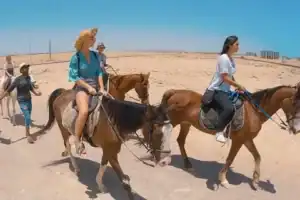
Guided horse riding treks offer a unique way to experience the natural world, combining the thrill of horseback riding with the expertise of experienced guides. These treks provide opportunities to explore diverse terrains, from lush forests to arid deserts, all while enjoying the companionship of a well-trained horse and the safety of a knowledgeable leader. Whether you’re a seasoned equestrian or a beginner, guided horse riding treks can provide an unforgettable adventure.
Understanding Guided Horse Riding Treks
Guided horse riding treks are organized excursions where participants ride horses through various landscapes under the supervision and direction of experienced guides. These treks are designed to cater to a range of skill levels, from beginners to advanced riders, ensuring that everyone can enjoy the experience safely and comfortably. The primary goal is to provide a memorable and enriching adventure that combines the joy of horseback riding with the exploration of natural environments.
The essence of a guided trek lies in the expertise and support provided by the guides, who are responsible for ensuring the safety of the riders, managing the horses, and providing insights into the local environment. These guides often possess extensive knowledge of the area’s flora, fauna, and history, enhancing the overall trekking experience. Furthermore, they handle logistical aspects such as route planning, equipment maintenance, and emergency response, allowing participants to focus solely on enjoying the ride and the scenery.
Key Components of a Guided Trek
A guided horse riding trek typically involves several key components that contribute to its overall success and enjoyment:
- Experienced Guides: These professionals are trained in horsemanship, first aid, and wilderness survival. They lead the group, provide instructions, and ensure the safety of all participants.
- Well-Trained Horses: The horses used in guided treks are carefully selected and trained to be reliable and responsive. They are accustomed to carrying riders of varying skill levels and are well-suited to the terrain.
- Planned Routes: The routes are meticulously planned to offer a diverse and engaging experience, taking into account the skill levels of the riders and the environmental conditions.
- Safety Measures: Safety is a top priority, with guides implementing various measures such as providing helmets, conducting safety briefings, and carrying emergency equipment.
- Logistical Support: This includes transportation to and from the trekking location, accommodation, meals, and equipment maintenance.
The Role of Guides
The guides play a pivotal role in the success of a guided horse riding trek. Their responsibilities extend beyond simply leading the group; they are also educators, caretakers, and problem-solvers. They provide riders with essential information about horsemanship, including how to mount, dismount, control the horse, and maintain proper posture. They also offer insights into the local environment, sharing knowledge about the flora, fauna, and history of the area. Moreover, they are responsible for ensuring the well-being of the horses, monitoring their health and providing them with necessary care.
In addition to their technical skills, guides also possess strong interpersonal skills. They create a supportive and encouraging environment, helping riders to overcome challenges and build confidence. They are adept at managing group dynamics, resolving conflicts, and fostering a sense of camaraderie among participants. Their ability to adapt to changing circumstances and make sound decisions under pressure is crucial for ensuring the safety and enjoyment of the trek.
Choosing the Right Trek
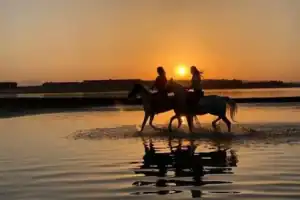
Selecting the right guided horse riding trek involves considering several factors, including your skill level, physical fitness, and personal preferences. Beginners should opt for shorter, less challenging treks that focus on basic horsemanship and gentle terrain. Experienced riders may prefer longer, more adventurous treks that explore more remote and rugged landscapes. It’s also important to consider the type of environment you wish to explore, whether it’s a lush forest, a rolling meadow, or a desert landscape.
Before booking a trek, it’s advisable to research the tour operator and read reviews from previous participants. Look for operators with a strong reputation for safety, professionalism, and environmental responsibility. Enquire about the qualifications and experience of the guides, the training of the horses, and the safety measures in place. It’s also a good idea to ask about the itinerary, the level of difficulty, and the type of accommodation and meals provided. By carefully considering these factors, you can ensure that you choose a guided horse riding trek that meets your needs and expectations, providing you with a safe, enjoyable, and memorable adventure. Private horse riding can be a great option for those seeking a more personalized experience.

Benefits of Choosing Guided Treks
Opting for guided horse riding treks offers numerous advantages over independent riding, particularly for those who are new to the activity or unfamiliar with the terrain. These benefits range from enhanced safety and expert guidance to access to well-trained horses and carefully planned routes. By choosing a guided trek, participants can enjoy a more relaxed and enriching experience, knowing that they are in the hands of experienced professionals who are dedicated to ensuring their safety and enjoyment.
One of the primary benefits of guided treks is the enhanced level of safety they provide. Guides are trained to identify and mitigate potential hazards, such as unstable terrain, unpredictable weather conditions, and wildlife encounters. They carry emergency equipment and are skilled in first aid, enabling them to respond effectively to any unforeseen circumstances. Moreover, they ensure that all participants adhere to safety protocols, such as wearing helmets and maintaining a safe distance from other riders.
Safety and Support
Safety is paramount on guided horse riding treks. The guides are responsible for assessing the terrain, monitoring weather conditions, and ensuring that all riders are equipped with the necessary safety gear. They provide comprehensive safety briefings before the trek begins, covering topics such as how to handle the horse, what to do in case of an emergency, and how to navigate challenging terrain. They also monitor the riders throughout the trek, providing assistance and encouragement as needed.
- Expert Guidance: Guides provide instruction and support, helping riders to improve their horsemanship skills and build confidence.
- Emergency Preparedness: Guides carry first aid kits and emergency communication devices, enabling them to respond quickly to any medical or safety issues.
- Risk Mitigation: Guides are trained to identify and mitigate potential hazards, such as unstable terrain, wildlife encounters, and adverse weather conditions.
Access to Quality Horses
Guided horse riding treks provide access to well-trained and cared-for horses. These horses are selected for their temperament, responsiveness, and suitability for carrying riders of varying skill levels. They undergo regular training to ensure that they are reliable and safe, and they are provided with proper nutrition, veterinary care, and grooming. By riding a well-trained horse, participants can enjoy a more comfortable and enjoyable experience, without having to worry about the horse’s behavior or well-being.
Furthermore, the guides are knowledgeable about each horse’s individual characteristics and can match riders with horses that are best suited to their skill level and riding style. This ensures that both the rider and the horse are comfortable and confident, contributing to a more harmonious and enjoyable experience. The guides also provide instruction on how to communicate with the horse, helping riders to develop a deeper connection with their equine partner.
Planned Routes and Logistics
Guided horse riding treks offer the convenience of carefully planned routes and logistical support. The routes are designed to showcase the best of the local scenery, while also taking into account the skill levels of the riders and the environmental conditions. The guides handle all the logistical aspects of the trek, such as transportation, accommodation, meals, and equipment maintenance, allowing participants to focus solely on enjoying the ride and the scenery.
Moreover, the guides are knowledgeable about the local area and can provide insights into its history, culture, and natural environment. They can point out interesting landmarks, identify local flora and fauna, and share stories about the area’s past. This adds an educational and enriching dimension to the trekking experience, making it more than just a ride through the countryside. Additionally, sunrise horse riding offers a unique perspective and memorable experience.
Environmental Responsibility
Many guided horse riding trek operators are committed to environmental responsibility and sustainable tourism practices. They take measures to minimize their impact on the environment, such as using eco-friendly products, disposing of waste properly, and respecting local wildlife. They also educate participants about the importance of environmental conservation and encourage them to adopt responsible behaviors, such as staying on designated trails and avoiding disturbing wildlife.
By choosing a guided horse riding trek with a reputable operator, participants can contribute to the preservation of the natural environment and support sustainable tourism practices. This ensures that future generations will be able to enjoy the beauty and wonder of these landscapes, while also benefiting the local communities that depend on them. Furthermore, it allows participants to experience the natural world in a more meaningful and respectful way, fostering a deeper appreciation for the environment and its importance.
Types of Guided Horse Riding Treks
Guided horse riding treks come in a variety of forms, each catering to different interests, skill levels, and preferences. From short day trips to multi-day expeditions, there’s a trek to suit every adventurer. These treks can be categorized based on duration, terrain, theme, and skill level, providing participants with a wide range of options to choose from. Understanding the different types of treks can help you select the one that best aligns with your goals and expectations.
One of the most common ways to categorize guided horse riding treks is by duration. Day trips are ideal for beginners or those with limited time, offering a taste of horseback riding and exploration in a single day. Multi-day treks, on the other hand, provide a more immersive experience, allowing participants to explore remote areas and connect with nature over several days. These longer treks often involve camping or staying in rustic accommodations, adding an element of adventure and self-sufficiency.
Duration-Based Treks
The duration of a guided horse riding trek significantly impacts the overall experience. Shorter treks are perfect for those looking for a quick escape, while longer treks offer a deeper immersion into the natural environment.
- Day Trips: These treks typically last for a few hours to a full day, covering a relatively short distance. They are suitable for beginners and those with limited time.
- Multi-Day Treks: These treks can last from two days to several weeks, covering a significant distance and exploring remote areas. They are suitable for experienced riders and those seeking a more immersive adventure.
- Weekend Getaways: These treks offer a balance between day trips and multi-day treks, providing a more extended experience without requiring a significant time commitment.
Terrain-Based Treks
The terrain of a guided horse riding trek can vary widely, from gentle meadows and rolling hills to rugged mountains and arid deserts. Each type of terrain presents its own unique challenges and rewards, attracting riders with different preferences and skill levels.
Mountain treks are popular among experienced riders who enjoy the challenge of navigating steep slopes and rocky trails. These treks often offer stunning views and access to remote wilderness areas. Desert treks, on the other hand, provide a unique opportunity to explore the stark beauty of arid landscapes, while also learning about the adaptations of desert plants and animals. Beach treks offer a more relaxed experience, allowing riders to enjoy the sound of the surf and the feel of the sand beneath their horses’ hooves. Beach and desert horse riding combine the best of both worlds.
Theme-Based Treks
Some guided horse riding treks are organized around specific themes, such as wildlife viewing, historical exploration, or cultural immersion. These themed treks add an extra layer of interest and engagement to the experience, catering to riders with specific passions and interests.
- Wildlife Viewing Treks: These treks focus on spotting and observing local wildlife, such as birds, mammals, and reptiles. They are led by knowledgeable guides who can identify different species and provide insights into their behavior and ecology.
- Historical Exploration Treks: These treks explore historical sites and landmarks, such as ancient ruins, battlefields, and pioneer trails. They are led by historians or archaeologists who can provide context and insights into the events and people that shaped the area’s past.
- Cultural Immersion Treks: These treks offer opportunities to interact with local communities and learn about their customs, traditions, and way of life. They may involve visiting local villages, participating in traditional ceremonies, or learning about local crafts and cuisine.
Skill-Level Treks
Guided horse riding treks are often categorized based on the skill level of the participants. Beginner treks are designed for those with little or no prior riding experience, focusing on basic horsemanship and gentle terrain. Intermediate treks are suitable for riders who have some experience and are comfortable riding at a walk, trot, and canter. Advanced treks are designed for experienced riders who are comfortable riding at all gaits and navigating challenging terrain.
Choosing a trek that matches your skill level is crucial for ensuring your safety and enjoyment. Beginner treks provide a supportive and encouraging environment for learning the basics of horsemanship, while advanced treks offer a challenging and rewarding experience for experienced riders. It’s important to be honest about your skill level when booking a trek, as this will help the operator to match you with a suitable horse and ensure that you are prepared for the challenges ahead.
What to Expect on a Guided Trek
Participating in a guided horse riding trek is an adventure that involves more than just riding a horse. It’s an immersive experience that encompasses preparation, instruction, riding, and post-trek care. Understanding what to expect can help you prepare adequately and maximize your enjoyment. From the initial briefing to the final farewell, each stage of the trek is designed to ensure your safety, comfort, and satisfaction.
The first step in a guided horse riding trek is typically an introductory briefing. During this briefing, the guides will provide you with essential information about the trek, including the itinerary, safety protocols, and horsemanship techniques. They will also introduce you to your horse and provide you with instructions on how to mount, dismount, and control the horse. This briefing is an opportunity to ask questions and address any concerns you may have before the trek begins.
Pre-Trek Briefing and Preparation
The pre-trek briefing is a crucial part of the guided horse riding trek experience. It sets the stage for a safe and enjoyable adventure by providing participants with essential information and instructions.
- Introduction to the Guides: The guides will introduce themselves and provide information about their experience and qualifications.
- Trek Itinerary: The guides will outline the planned route, including the distance to be covered, the terrain to be navigated, and any points of interest along the way.
- Safety Protocols: The guides will explain the safety protocols that will be followed during the trek, including how to handle the horse in different situations, what to do in case of an emergency, and how to avoid potential hazards.
Riding and Trail Etiquette
During the trek, you will spend a significant amount of time in the saddle, exploring the local scenery and enjoying the companionship of your horse. The guides will lead the way, setting the pace and providing instruction as needed. It’s important to follow the guides’ instructions and adhere to trail etiquette to ensure the safety and enjoyment of all participants.
Trail etiquette involves respecting the environment, other riders, and the horses. This includes staying on designated trails, avoiding disturbing wildlife, and maintaining a safe distance from other riders. It also involves communicating with the guides and other riders about any concerns or issues you may be experiencing. By following trail etiquette, you can contribute to a positive and enjoyable experience for everyone involved.
Horse Care and Interaction
Caring for your horse is an important part of the guided horse riding trek experience. The guides will provide you with instruction on how to groom, saddle, and care for your horse. They will also encourage you to interact with your horse, building a connection and developing a sense of partnership.
Interacting with your horse involves speaking to it in a calm and reassuring voice, petting it gently, and providing it with treats. It also involves paying attention to its body language and responding to its needs. By caring for your horse and interacting with it in a positive way, you can build a strong bond and enhance your overall trekking experience. Horse riding trips offer various opportunities to connect with these animals.
Post-Trek Care and Debriefing
After the trek, the guides will provide you with instructions on how to dismount and unsaddle your horse. They will also lead a debriefing session, during which you can share your experiences, ask questions, and provide feedback. This debriefing is an opportunity to reflect on your adventure and learn from your experiences.
In addition to the debriefing, the guides will also provide you with information about post-trek care. This includes stretching exercises to relieve muscle soreness, hydration tips to replenish fluids, and recommendations for rest and recovery. By following these post-trek care instructions, you can minimize discomfort and ensure a smooth transition back to your daily routine.
Essential Gear and Preparation
Proper gear and preparation are crucial for a safe and enjoyable guided horse riding trek. The specific gear you’ll need will depend on the duration, terrain, and climate of the trek, but there are some essential items that every rider should bring. Preparing adequately can help you avoid discomfort, prevent injuries, and maximize your overall experience.
One of the most important items of gear is appropriate clothing. Long pants are essential for protecting your legs from chafing against the saddle and brush. A long-sleeved shirt is also recommended for sun protection and warmth. Closed-toe shoes with a heel are necessary for safety and comfort in the stirrups. A hat or helmet is crucial for protecting your head from the sun and potential impacts.
Clothing and Footwear
Choosing the right clothing and footwear is essential for comfort and safety during a guided horse riding trek. The specific items you’ll need will depend on the weather conditions and the terrain, but there are some general guidelines to follow.
- Long Pants: Choose durable, comfortable pants that will protect your legs from chafing against the saddle and brush. Riding breeches or jeans are good options.
- Long-Sleeved Shirt: A long-sleeved shirt will protect your arms from the sun, wind, and insects. Choose a lightweight, breathable fabric.
- Closed-Toe Shoes with a Heel: Closed-toe shoes with a heel are necessary for safety and comfort in the stirrups. Riding boots are ideal, but sturdy hiking boots or work boots will also work.
Safety Gear
Safety gear is essential for protecting yourself from potential injuries during a guided horse riding trek. The most important items of safety gear are a helmet and gloves.
A helmet is crucial for protecting your head from impacts in case of a fall. Choose a helmet that is specifically designed for horseback riding and that fits snugly and comfortably. Gloves will protect your hands from blisters and chafing, while also providing a better grip on the reins. Choose gloves that are made of leather or a synthetic material that provides good grip and durability.
Personal Items
In addition to clothing and safety gear, there are several personal items that you should bring on a guided horse riding trek. These items will help you stay comfortable, hydrated, and protected from the elements.
- Sunscreen: Protect your skin from the sun’s harmful rays by applying sunscreen liberally and frequently.
- Insect Repellent: Protect yourself from insect bites by applying insect repellent to your skin and clothing.
- Water Bottle: Stay hydrated by carrying a water bottle and drinking plenty of water throughout the trek.
Physical Preparation
In addition to packing the right gear, it’s also important to prepare your body for the physical demands of a guided horse riding trek. This involves strengthening your core muscles, improving your balance, and increasing your endurance.
Core strength is essential for maintaining good posture and balance in the saddle. Exercises such as planks, crunches, and Russian twists can help to strengthen your core muscles. Balance exercises, such as standing on one leg or using a balance board, can help to improve your stability in the saddle. Endurance exercises, such as running, swimming, or cycling, can help to increase your stamina and reduce fatigue during the trek. Swimming with horses can also improve your overall fitness. Consider swimming with horses in Hurghada for a unique workout.
Common Misconceptions and Risks
Despite the many benefits and joys of guided horse riding treks, there are several common misconceptions and potential risks that participants should be aware of. Addressing these misconceptions and acknowledging the risks can help you make informed decisions and prepare adequately for your adventure. It’s important to approach guided horse riding treks with a realistic understanding of what to expect and a commitment to safety.
One common misconception is that horse riding is easy and requires no skill or effort. While it’s true that well-trained horses can be very forgiving and responsive, riding still requires a certain level of skill and physical fitness. Riders need to be able to maintain their balance, control the horse, and communicate their intentions effectively. It’s also important to be aware of the horse’s body language and respond to its needs. Without proper instruction and practice, riders can become frustrated, uncomfortable, and even unsafe.
Misconceptions About Horse Riding
There are several common misconceptions about horse riding that can lead to unrealistic expectations and potential disappointment. Addressing these misconceptions can help you approach your guided horse riding trek with a more informed and realistic perspective.
- Horse Riding is Easy: As mentioned earlier, horse riding requires skill, fitness, and practice. It’s not simply a matter of sitting on a horse and letting it do all the work.
- All Horses are the Same: Each horse has its own unique personality, temperament, and riding style. It’s important to be aware of these differences and adapt your riding accordingly.
- Horse Riding is Always Safe: While guided horse riding treks are designed to be safe, there are still inherent risks involved. It’s important to be aware of these risks and take precautions to minimize them.
Potential Risks and Hazards
Despite the best efforts of guides and operators, there are still potential risks and hazards associated with guided horse riding treks. These risks can range from minor discomforts to serious injuries, and it’s important to be aware of them and take precautions to minimize them.
One of the most common risks is falling off the horse. Falls can occur for a variety of reasons, such as unexpected movements by the horse, uneven terrain, or rider error. Falls can result in injuries ranging from bruises and sprains to fractures and head trauma. To minimize the risk of falls, it’s important to wear a helmet, maintain good balance, and follow the guides’ instructions.
Environmental Considerations
The environment can also pose potential risks and hazards during a guided horse riding trek. Weather conditions can change rapidly, and riders need to be prepared for extreme temperatures, rain, wind, and snow. Wildlife encounters can also be dangerous, especially if riders are not aware of how to behave around wild animals.
To minimize the risks associated with the environment, it’s important to check the weather forecast before the trek, dress appropriately for the conditions, and carry essential items such as sunscreen, insect repellent, and a water bottle. It’s also important to be aware of the local wildlife and follow the guides’ instructions on how to behave around wild animals. Never approach or feed wild animals, and always maintain a safe distance.
Responsible Riding Practices
Adopting responsible riding practices is crucial for minimizing risks and ensuring the well-being of both riders and horses. This involves respecting the environment, following trail etiquette, and caring for the horses properly.
Responsible riding practices include staying on designated trails, avoiding disturbing wildlife, and packing out all trash. It also involves maintaining a safe distance from other riders, communicating with the guides about any concerns or issues, and following their instructions. Caring for the horses properly involves grooming them, saddling them correctly, and providing them with water and rest. By adopting responsible riding practices, you can contribute to a safe, enjoyable, and sustainable trekking experience.
Frequently asked questions about Guided horse riding treks
What is the typical duration of guided horse riding treks?
Guided horse riding treks can vary in duration, ranging from short day trips lasting a few hours to multi-day expeditions spanning several days or even weeks. The duration depends on the specific trek and the preferences of the participants.
What skill level is required for guided horse riding treks?
Guided horse riding treks cater to a range of skill levels, from beginners to experienced riders. Many operators offer treks specifically designed for beginners, with gentle horses and basic instruction provided.
What should I wear on a guided horse riding trek?
Appropriate attire for a guided horse riding trek includes long pants, a long-sleeved shirt, closed-toe shoes with a heel, and a hat or helmet. It’s also important to dress in layers, as weather conditions can change rapidly.
What safety measures are in place on guided horse riding treks?
Safety is a top priority on guided horse riding treks. Guides are trained in horsemanship, first aid, and wilderness survival. They carry emergency equipment and provide comprehensive safety briefings before the trek begins.
Are guided horse riding treks environmentally friendly?
Many guided horse riding trek operators are committed to environmental responsibility and sustainable tourism practices. They take measures to minimize their impact on the environment and educate participants about the importance of conservation.
What are the benefits of choosing a guided horse riding trek over independent riding?
Guided horse riding treks offer numerous benefits, including enhanced safety, expert guidance, access to well-trained horses, and carefully planned routes. They also provide logistical support and opportunities to learn about the local environment.
How do I choose the right guided horse riding trek for me?
Choosing the right guided horse riding trek involves considering your skill level, physical fitness, personal preferences, and the type of environment you wish to explore. It’s also important to research the tour operator and read reviews from previous participants.
What is the role of the guides on a guided horse riding trek?
The guides play a pivotal role in the success of a guided horse riding trek. They are responsible for ensuring the safety of the riders, managing the horses, providing instruction, and sharing insights into the local environment.
What are some common misconceptions about horse riding?
Some common misconceptions about horse riding include the belief that it’s easy, that all horses are the same, and that it’s always safe. It’s important to approach horse riding with a realistic understanding of what to expect.
What are some potential risks and hazards associated with guided horse riding treks?
Potential risks and hazards associated with guided horse riding treks include falls, injuries, weather changes, and wildlife encounters. It’s important to be aware of these risks and take precautions to minimize them.
onclusion
Guided horse riding treks offer a remarkable way to connect with nature, challenge yourself, and create lasting memories. By understanding the benefits, types, and potential risks involved, you can choose the perfect trek for your skill level and preferences. Remember to prepare adequately, pack essential gear, and follow responsible riding practices for a safe and enjoyable adventure.
Ready to embark on your own guided horse riding trek? Explore our website to discover amazing destinations and book your unforgettable experience today! Consider exploring private horse riding options for a more tailored experience.