Non-sharing Horse Tour: 7 Powerful Benefits & Effective Tips
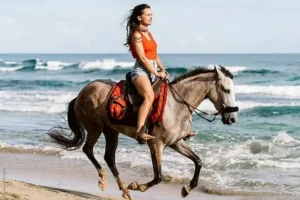
A non-sharing horse tour provides an exclusive and personalized equestrian experience, allowing riders to fully connect with their horse and the surrounding environment. This type of tour ensures that each participant has their own horse, eliminating the need to share and maximizing individual attention and enjoyment. It’s ideal for riders seeking a more intimate and focused adventure.
Understanding the Concept of a Non-sharing Horse Tour
A non-sharing horse tour, at its core, is about providing each rider with their own dedicated horse for the duration of the tour. This contrasts sharply with traditional tours where horses might be shared among multiple riders, often to accommodate larger groups or reduce costs. The distinction is significant, as it directly impacts the quality and nature of the riding experience.
The concept revolves around exclusivity and personalized attention. Instead of adapting to a horse that has already been ridden by others, a rider on a non-sharing tour can establish a unique connection with their assigned horse, fostering a deeper sense of trust and partnership.
The Mechanics of a Non-sharing Arrangement
The practical implementation of a non-sharing horse tour involves careful planning and logistics. Tour operators typically maintain a sufficient stable of well-trained horses to ensure that each rider has a suitable mount. The selection process often involves matching riders with horses based on their skill level, riding experience, and personal preferences. This ensures a comfortable and safe experience for everyone involved.
- Horse Allocation: Each rider is assigned a specific horse for the entire tour, creating a sense of ownership and responsibility.
- Personalized Instruction: Guides can provide tailored instruction and feedback, focusing on the individual needs of each rider and their horse.
- Consistent Interaction: Riders have ample opportunity to bond with their horse, learning its unique characteristics and responding to its cues.
Furthermore, non-sharing tours often incorporate elements of horsemanship beyond just riding. Riders may have the chance to groom their horse, assist with tacking up, and learn about equine care. This hands-on involvement enhances the overall experience and fosters a greater appreciation for the animals.
The Evolution of Non-sharing Horse Tours
The rise of non-sharing horse tours reflects a growing demand for more authentic and immersive travel experiences. As travelers become more discerning, they seek out opportunities to connect with nature, learn new skills, and create lasting memories. Non-sharing horse tours cater to this desire by offering a unique blend of adventure, education, and personal enrichment.
Historically, horse tours were often geared towards mass tourism, with large groups and shared resources. However, as niche tourism has gained popularity, operators have responded by offering more specialized and customized experiences. Non-sharing tours represent a significant step in this direction, prioritizing quality over quantity and catering to riders who value personalized attention and exclusivity.
Differentiating Factors: Shared vs. Non-sharing
The most obvious difference between shared and non-sharing horse tours is the allocation of horses. In a shared arrangement, riders may switch horses multiple times during a tour, potentially disrupting the flow of the experience and hindering the development of a strong rider-horse bond. This can be particularly challenging for novice riders who are still learning to adapt to different equine personalities and riding styles.
In contrast, a non-sharing tour allows riders to settle into a comfortable rhythm with their assigned horse, building confidence and improving their riding skills over time. The consistency of the partnership enables riders to focus on the present moment, fully immersing themselves in the sights, sounds, and sensations of the ride.
Moreover, non-sharing tours often feature smaller group sizes, allowing for more personalized attention from guides and a more intimate atmosphere among participants. This can be especially appealing to solo travelers or small groups of friends or family who prefer a more relaxed and exclusive setting. For example, consider private horse riding tours for a truly personalized experience.

The Key Benefits of Opting for a Non-sharing Horse Tour
Choosing a non-sharing horse tour offers a multitude of advantages that enhance the overall riding experience. These benefits range from improved rider-horse connection to increased safety and personalized attention. Understanding these advantages can help riders make an informed decision when planning their equestrian adventure.
The primary benefit lies in the opportunity to establish a genuine bond with a single horse. This connection fosters trust, improves communication, and enhances the overall enjoyment of the ride. Riders can learn to anticipate their horse’s movements, respond to its cues, and develop a deeper understanding of equine behavior.
Enhanced Rider-Horse Connection
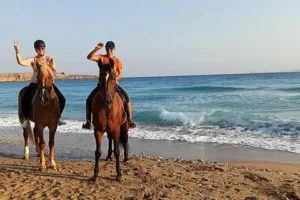
When riders share horses, they often spend valuable time adjusting to each new mount, learning its quirks and compensating for its weaknesses. This can be particularly frustrating for experienced riders who are accustomed to a certain level of responsiveness and control. A non-sharing tour eliminates this challenge, allowing riders to focus on refining their skills and deepening their connection with their assigned horse.
- Improved Communication: Riders can develop a more nuanced understanding of their horse’s body language and vocalizations.
- Increased Trust: A consistent partnership fosters trust and mutual respect between rider and horse.
- Enhanced Responsiveness: Riders can fine-tune their cues and signals, resulting in a more harmonious and responsive ride.
For instance, riders participating in a sunrise horse riding tour can fully immerse themselves in the experience without the distraction of constantly adapting to different horses.
Personalized Attention and Instruction
Non-sharing horse tours typically feature smaller group sizes, which allows guides to provide more individualized attention and instruction. This can be particularly beneficial for novice riders who require extra support and guidance. Guides can tailor their feedback to the specific needs of each rider, helping them to improve their riding skills and build confidence.
Moreover, personalized instruction can extend beyond just riding techniques. Guides can also share insights into equine behavior, horsemanship practices, and the local environment. This holistic approach enhances the educational value of the tour and fosters a greater appreciation for the natural world.
Increased Safety and Control
Riding a familiar horse can significantly improve safety and control, especially in challenging terrain or unpredictable situations. When riders know their horse well, they can anticipate its reactions and respond accordingly, minimizing the risk of accidents or injuries. This is particularly important for riders who are venturing into unfamiliar territory or participating in more adventurous activities, such as beach and desert horse riding.
Furthermore, non-sharing tours often incorporate safety briefings and equipment checks to ensure that all riders are properly prepared for the ride. Guides can also provide guidance on how to handle specific situations, such as navigating steep slopes, crossing streams, or encountering wildlife. This proactive approach helps to create a safer and more enjoyable experience for everyone involved.
A More Immersive and Authentic Experience
Ultimately, a non-sharing horse tour offers a more immersive and authentic experience that goes beyond just riding. By fostering a deeper connection with their horse and the surrounding environment, riders can gain a greater appreciation for the beauty and wonder of the natural world. This can be particularly rewarding for those who are seeking a break from the stresses of modern life and a chance to reconnect with themselves and nature.
For example, imagine embarking on a swimming with horses tour where you and your horse have already established a strong bond. The trust and understanding between you two will make the experience even more magical and unforgettable.
Who is a Non-sharing Horse Tour Ideal For?
Non-sharing horse tours cater to a diverse range of riders, each with unique needs and preferences. Understanding who benefits most from this type of tour can help individuals determine if it’s the right choice for their equestrian aspirations. From novice riders seeking personalized guidance to experienced equestrians craving a deeper connection, the appeal is widespread.
The ideal candidate for a non-sharing horse tour is someone who values personalized attention, seeks a deeper connection with their horse, and prioritizes safety and control. These tours are particularly well-suited for individuals who are new to riding or who have limited experience.
Novice Riders Seeking Personalized Guidance
For novice riders, the prospect of sharing a horse can be daunting. Adjusting to different horses with varying temperaments and riding styles can be overwhelming and hinder their learning progress. A non-sharing tour provides a more supportive and nurturing environment, allowing beginners to focus on developing their skills and building confidence.
- Consistent Learning: Novice riders can learn at their own pace, without the pressure of adapting to different horses.
- Personalized Feedback: Guides can provide tailored instruction and feedback, addressing specific areas for improvement.
- Increased Confidence: A consistent partnership with a single horse fosters trust and builds confidence in their riding abilities.
Moreover, non-sharing tours often incorporate introductory horsemanship lessons, teaching beginners the basics of grooming, tacking up, and equine care. This hands-on experience enhances their understanding of horses and fosters a greater appreciation for the animals.
Experienced Equestrians Craving a Deeper Connection
Experienced equestrians may also find non-sharing horse tours appealing, particularly those who are seeking a more profound connection with their horse. These tours provide an opportunity to develop a unique partnership with a single animal, fostering trust, communication, and mutual respect. Riders can fine-tune their skills, refine their cues, and experience the joy of riding in perfect harmony with their horse.
Furthermore, non-sharing tours often venture into more challenging terrain or offer more adventurous activities, such as trail riding, cross-country jumping, or even horseback riding. This allows experienced riders to test their skills, push their limits, and experience the thrill of conquering new challenges alongside their equine partner.
Solo Travelers and Small Groups
Non-sharing horse tours are also well-suited for solo travelers and small groups who prefer a more intimate and exclusive experience. These tours often feature smaller group sizes, allowing for more personalized attention from guides and a more relaxed atmosphere among participants. Solo travelers can enjoy the camaraderie of riding with like-minded individuals, while small groups can strengthen their bonds and create lasting memories together.
Moreover, non-sharing tours can be customized to meet the specific needs and interests of solo travelers and small groups. Tour operators can tailor the itinerary, activities, and accommodations to create a truly unique and unforgettable experience. This level of customization is often not available on larger, more standardized tours.
Individuals Seeking Therapeutic Benefits
Finally, non-sharing horse tours can offer therapeutic benefits for individuals who are seeking to improve their mental, emotional, or physical well-being. Riding horses has been shown to reduce stress, improve mood, and increase self-esteem. The connection with a horse can be particularly beneficial for individuals who are struggling with anxiety, depression, or trauma.
Furthermore, non-sharing tours often take place in beautiful natural settings, providing a chance to escape the stresses of urban life and reconnect with nature. The fresh air, sunshine, and stunning scenery can have a profound impact on overall well-being.
Planning Your Non-sharing Horse Tour: Essential Considerations
Planning a non-sharing horse tour requires careful consideration of several factors to ensure a safe, enjoyable, and memorable experience. From selecting the right tour operator to assessing your riding skills and packing appropriately, thorough preparation is key. Ignoring these aspects can lead to disappointment or even safety concerns.
Before embarking on a non-sharing horse tour, it’s essential to assess your riding skills, research tour operators, and consider the destination and duration of the tour. These factors will influence the overall experience and ensure that it aligns with your expectations and capabilities.
Assessing Your Riding Skills and Experience
The first step in planning a non-sharing horse tour is to honestly assess your riding skills and experience. Are you a complete beginner, an intermediate rider, or an experienced equestrian? Understanding your capabilities will help you choose a tour that is appropriate for your skill level. It’s also crucial to be realistic about your physical fitness and endurance, as some tours may involve long hours in the saddle.
- Beginner Riders: Look for tours that offer introductory lessons and gentle horses.
- Intermediate Riders: Choose tours that challenge your skills and offer opportunities for improvement.
- Experienced Riders: Seek out tours that venture into challenging terrain or offer adventurous activities.
If you are unsure about your riding skills, consider taking a few lessons before booking a tour. This will help you build confidence and ensure that you are prepared for the challenges ahead.
Researching Tour Operators and Destinations
Once you have assessed your riding skills, the next step is to research tour operators and destinations. Look for reputable operators with a proven track record of safety and customer satisfaction. Read reviews, check their credentials, and ask for references. Consider the destination and the type of scenery you would like to experience. Do you prefer riding through forests, mountains, deserts, or along the beach?
Furthermore, consider the duration of the tour and the level of accommodation offered. Some tours may involve camping in tents, while others offer luxurious lodging in hotels or ranches. Choose a tour that aligns with your comfort level and budget.
Packing Appropriately for the Ride
Packing appropriately for a non-sharing horse tour is essential for comfort and safety. Wear comfortable riding clothes, including long pants, a long-sleeved shirt, and sturdy boots with a heel. Bring a hat, sunscreen, and sunglasses to protect yourself from the sun. Consider bringing gloves to protect your hands from blisters. If the weather is likely to be cold or wet, pack appropriate outerwear.
Furthermore, bring a first-aid kit with essential medications and supplies. Inform the tour operator of any medical conditions or allergies you may have. It’s also a good idea to bring a camera to capture memories of your adventure.
Understanding Tour Policies and Safety Procedures
Before booking a non-sharing horse tour, it’s crucial to understand the tour policies and safety procedures. Ask about the operator’s cancellation policy, insurance coverage, and emergency protocols. Make sure you understand the rules of the ride and the safety instructions provided by the guides. Follow their instructions carefully and ask questions if you are unsure about anything.
Furthermore, be aware of the potential risks involved in horseback riding and take precautions to minimize those risks. Wear a helmet at all times, follow the guides’ instructions, and be mindful of your surroundings.
Common Misconceptions About Non-sharing Horse Tours
Despite the growing popularity of non-sharing horse tours, several misconceptions persist about their nature, cost, and suitability. Addressing these misunderstandings is crucial for potential riders to make informed decisions and avoid disappointment. These misconceptions often stem from a lack of information or misinformation spread online.
One common misconception is that non-sharing horse tours are only for experienced riders. Another is that they are prohibitively expensive. Dispelling these myths can encourage more people to consider this type of equestrian adventure.
Misconception #1: Only for Experienced Riders
One of the most prevalent misconceptions is that non-sharing horse tours are exclusively for experienced riders. While it’s true that some tours cater to advanced equestrians, many operators offer options for beginners and novice riders. These tours typically feature gentle horses, introductory lessons, and personalized guidance from experienced instructors.
Furthermore, non-sharing tours can be particularly beneficial for beginners, as they provide a supportive and nurturing environment to learn and build confidence. The consistent partnership with a single horse allows beginners to focus on developing their skills without the added pressure of adapting to different mounts.
Misconception #2: Prohibitively Expensive
Another common misconception is that non-sharing horse tours are prohibitively expensive. While it’s true that they may be more expensive than traditional shared tours, the added cost often reflects the higher level of personalization, attention, and quality that they offer. Furthermore, the cost of a non-sharing tour can vary depending on the destination, duration, and level of accommodation.
Moreover, many tour operators offer a range of options to suit different budgets. It’s possible to find affordable non-sharing tours that provide excellent value for money. Consider booking during the off-season or taking advantage of early-bird discounts to save money.
Misconception #3: All Tours are the Same
A further misconception is that all non-sharing horse tours are the same. In reality, there is a wide variety of tours available, each with its unique features, activities, and destinations. Some tours focus on trail riding, while others offer opportunities for cross-country jumping, dressage, or even horse riding trips. Some tours take place in forests, while others explore mountains, deserts, or beaches.
It’s essential to research different tour operators and destinations to find a tour that aligns with your specific interests and preferences. Read reviews, compare itineraries, and ask questions to ensure that you are choosing the right tour for you.
Misconception #4: Always Safe and Trouble-Free
Some believe that because they are paying for a premium experience, a non-sharing horse tour will be entirely safe and free of any potential issues. However, horseback riding inherently carries risks, regardless of the tour type. Weather changes, unpredictable animal behavior, and rider error can all lead to incidents. Reputable tour operators prioritize safety with well-maintained equipment, experienced guides, and thorough safety briefings, but riders must also be vigilant and follow instructions.
It is crucial to listen attentively during safety briefings, wear provided safety gear (helmets are non-negotiable), and communicate any concerns or discomfort to the guides immediately. Riders should also be honest about their riding abilities to ensure they are matched with a suitable horse and participate in activities within their skill level. Travel insurance is also recommended to cover potential medical expenses or trip interruptions.
Maximizing Your Experience on a Non-sharing Horse Tour
To truly maximize your experience on a non-sharing horse tour, it’s essential to go beyond simply showing up and riding. Active engagement, open communication, and a willingness to learn can significantly enhance your enjoyment and create lasting memories. This involves both mental and physical preparation, as well as a proactive approach during the tour itself.
Preparation is key to a fulfilling experience. This includes physical conditioning, mental readiness, and a proactive approach to learning and engaging with the tour guides and fellow riders.
Preparing Physically and Mentally
Before embarking on a non-sharing horse tour, it’s beneficial to prepare both physically and mentally. Engage in regular exercise to improve your stamina and endurance. Practice riding, if possible, to familiarize yourself with the movements and sensations. Read books or articles about horses and horsemanship to expand your knowledge. Visualize yourself enjoying the tour and connecting with your horse.
Furthermore, be prepared to step outside of your comfort zone and embrace new experiences. Be open to learning from the guides and fellow riders. Be patient with yourself and your horse. Remember that horseback riding is a skill that takes time and practice to master.
Communicating Effectively with Guides and Fellow Riders
Effective communication is essential for a safe and enjoyable non-sharing horse tour. Communicate your needs, concerns, and expectations to the guides. Ask questions if you are unsure about anything. Listen attentively to their instructions and follow their guidance. Be respectful of your fellow riders and their horses. Share your experiences and learn from theirs.
Furthermore, be mindful of your body language and tone of voice. Maintain a positive and encouraging attitude. Offer assistance to those who need it. Be a good team player and contribute to a positive group dynamic.
Engaging with Your Horse and the Environment
To truly maximize your experience on a non-sharing horse tour, engage with your horse and the environment. Spend time grooming your horse, talking to it, and getting to know its personality. Observe its body language and learn to anticipate its needs. Pay attention to the sights, sounds, and smells of the natural world. Appreciate the beauty and wonder of your surroundings.
Furthermore, be respectful of the environment and practice Leave No Trace principles. Pack out everything you pack in. Stay on designated trails. Avoid disturbing wildlife. Leave the environment as you found it, or even better.
Documenting Your Journey
Capturing memories of your non-sharing horse tour can enhance your experience and provide lasting reminders of your adventure. Take photos and videos of your horse, the scenery, and your fellow riders. Keep a journal to record your thoughts, feelings, and experiences. Collect souvenirs to remind you of your journey. Share your photos, videos, and stories with friends and family.
Furthermore, consider creating a scrapbook or photo album to preserve your memories. Write captions for your photos and videos to provide context and detail. Share your experience on social media to inspire others to embark on their own equestrian adventures.
Frequently asked questions about Non-sharing horse tour
What exactly does “non-sharing” mean in a horse tour context?
“Non-sharing” means that each rider is assigned their own individual horse for the duration of the tour. This contrasts with tours where riders may switch horses periodically, or where multiple riders might share the same horse at different times.
Is a Non-sharing horse tour more expensive than a regular tour?
Generally, yes. Non-sharing tours often involve smaller group sizes, more personalized attention, and a higher level of care for the horses, which contributes to a higher overall cost.
What skill level is required for a Non-sharing horse tour?
Skill level varies depending on the specific tour. Some non-sharing tours are designed for beginners, while others cater to more experienced riders. Check the tour description for details.
How does a Non-sharing horse tour enhance the riding experience?
It allows riders to bond with their horse, receive personalized instruction, and enjoy a more consistent and predictable riding experience. This can lead to increased confidence and enjoyment.
What should I pack for a Non-sharing horse tour?
Pack comfortable riding clothes (long pants, sturdy boots), a hat, sunscreen, and any personal medications you may need. The tour operator will usually provide helmets and other necessary equipment.
Are Non-sharing horse tours safe?
Reputable tour operators prioritize safety with well-trained horses, experienced guides, and thorough safety briefings. However, horseback riding always carries some inherent risk, so it’s important to follow instructions and be aware of your surroundings.
Can I request a specific type of horse on a Non-sharing tour?
It depends on the tour operator and the availability of horses. Some operators will try to accommodate requests based on rider experience and preference, but this is not always guaranteed.
What happens if I get injured during a Non-sharing horse tour?
Reputable tour operators have emergency protocols in place and will provide first aid and arrange for medical assistance if needed. It’s also recommended to have travel insurance that covers horseback riding activities.
Conclusion
A Non-sharing horse tour offers a unique and personalized equestrian experience, allowing riders to forge a deeper connection with their horse and the surrounding environment. This type of tour is ideal for those seeking individualized attention and a more intimate riding adventure.
Ready to experience the powerful benefits of a non-sharing horse tour? Book your personalized adventure today and discover the joy of riding with your own dedicated horse!