Camel riding for tourists: 7 Proven Amazing Tips
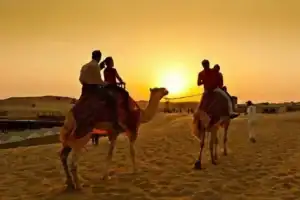
Camel riding for tourists offers a unique way to experience desert landscapes and cultural immersion. It’s an adventure that combines stunning scenery with a taste of traditional transportation. This article provides proven tips to ensure your camel riding experience is both amazing and safe.
Understanding Camel Riding for Tourists
Camel riding for tourists is more than just sitting on a camel; it’s about connecting with the environment and experiencing a different culture. It offers a unique perspective of desert landscapes, allowing you to appreciate the vastness and beauty in a way that’s impossible from a vehicle.
The appeal of camel riding lies in its historical significance and the gentle nature of these animals. For centuries, camels have been the primary mode of transportation in arid regions, and experiencing this firsthand provides a tangible link to the past.
The History of Camel Riding
Camels have been domesticated for thousands of years, serving as vital transportation and pack animals across deserts and arid lands. Their ability to survive long periods without water and their strength in carrying heavy loads made them indispensable. Camel caravans facilitated trade and cultural exchange across vast distances, connecting civilizations and shaping history. Understanding this history adds depth to the experience of camel riding for tourists, offering a glimpse into the lives of those who depended on these animals for survival and prosperity.
- Camels were crucial for the Silk Road trade.
- Nomadic cultures relied heavily on camels for transportation and sustenance.
- Camel breeds vary depending on the region and purpose.
Mini-takeaway: Appreciating the historical context enhances the camel riding experience, transforming it from a mere tourist activity into a meaningful connection with the past.
The Benefits of Camel Riding for Tourists
Beyond the historical connection, camel riding offers numerous benefits. It provides a unique physical experience, engaging different muscles and offering a gentle rocking motion that can be surprisingly relaxing. The elevated vantage point offers unparalleled views of the surrounding landscape, allowing you to appreciate the beauty of the desert in a new light. Furthermore, camel riding often includes cultural interactions, providing opportunities to learn about local traditions and customs. This immersive experience fosters a deeper understanding and appreciation of the region and its people.
- Unique perspective of the landscape.
- Gentle exercise and relaxation.
- Cultural immersion and learning.
Mini-takeaway: Camel riding combines adventure, relaxation, and cultural enrichment, making it a rewarding experience for tourists.
Different Types of Camel Riding Experiences
Camel riding experiences vary widely, catering to different preferences and interests. Short rides offer a quick taste of the activity, while longer treks can last for several days, immersing you in the desert environment. Some tours focus on specific landmarks or natural features, while others emphasize cultural interactions and visits to local communities. Choosing the right type of experience depends on your fitness level, time constraints, and desired level of immersion. Consider your priorities and research different options to find the perfect camel riding adventure.
- Short rides for beginners.
- Multi-day treks for experienced adventurers.
- Cultural tours with local interactions.
Mini-takeaway: Tailor your camel riding experience to your interests and abilities for a truly unforgettable adventure.

Choosing the Right Camel Riding Tour Operator
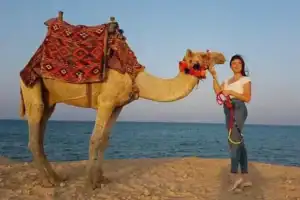
Selecting a reputable tour operator is crucial for a safe and enjoyable camel riding experience. Look for companies with experienced guides, well-cared-for animals, and a strong commitment to safety. Check online reviews and ask for recommendations to ensure you’re choosing a reliable provider.
A good tour operator will prioritize the well-being of the camels and provide clear instructions on how to ride safely. They should also be knowledgeable about the local environment and culture, offering insights that enhance your experience.
Factors to Consider When Choosing a Tour Operator
Several factors should influence your choice of tour operator. Safety should be your top priority, so inquire about their safety protocols and emergency procedures. The experience and qualifications of the guides are also important, as they will be responsible for your well-being during the ride. Consider the size of the group, as smaller groups often allow for a more personalized experience. Finally, compare prices and inclusions to ensure you’re getting good value for your money. Don’t hesitate to ask questions and clarify any concerns before booking your tour.
- Safety protocols and emergency procedures.
- Experience and qualifications of the guides.
- Group size and personalization.
- Price and inclusions.
Mini-takeaway: Thorough research and careful consideration will help you choose a tour operator that meets your needs and ensures a safe and enjoyable camel riding experience. You can even ask them about camel trips in Hurghada.
Questions to Ask Before Booking
Before finalizing your booking, ask the tour operator specific questions to ensure they meet your expectations. Inquire about the camels’ welfare, including their living conditions and workload. Ask about the route and terrain, and whether it’s suitable for your fitness level. Clarify what’s included in the price, such as meals, drinks, and transportation. Finally, ask about their cancellation policy and what happens in case of inclement weather. Getting clear answers to these questions will help you avoid surprises and ensure a smooth and enjoyable experience.
- Camels’ welfare and living conditions.
- Route and terrain suitability.
- Inclusions in the price.
- Cancellation policy and weather contingencies.
Mini-takeaway: Asking the right questions upfront will help you make an informed decision and avoid potential disappointments.
Red Flags to Watch Out For
Be wary of tour operators that exhibit certain red flags. Avoid companies that seem to prioritize profit over the well-being of the animals. Be suspicious of extremely low prices, as they may indicate compromised safety or animal welfare standards. Watch out for operators that are evasive or unwilling to answer your questions. Finally, be cautious of companies that lack proper insurance or permits. Trust your instincts and choose a tour operator that demonstrates professionalism, transparency, and a genuine commitment to responsible tourism. If you are looking for other activities, you might want to check horse riding trips.
- Prioritizing profit over animal welfare.
- Extremely low prices.
- Evasive or unwilling to answer questions.
- Lack of proper insurance or permits.
Mini-takeaway: Recognizing red flags will help you avoid unethical operators and protect yourself and the animals.
Preparing for Your Camel Ride
Proper preparation is essential for a comfortable and safe camel ride. This includes physical preparation, understanding basic camel commands, and knowing what to expect during the ride.
Being physically prepared will help you enjoy the experience more fully, while understanding camel commands will allow you to communicate effectively with your guide and the animal.
Physical Preparation
While camel riding is not overly strenuous, it’s helpful to be in reasonably good physical condition. Engage in light exercises such as walking, stretching, and core strengthening in the weeks leading up to your ride. This will help you build stamina and improve your balance, making the ride more comfortable. If you have any pre-existing health conditions, consult your doctor before participating in camel riding. Listen to your body during the ride and take breaks when needed.
- Light exercises such as walking and stretching.
- Core strengthening exercises.
- Consult your doctor if you have pre-existing health conditions.
Mini-takeaway: Physical preparation will enhance your comfort and enjoyment during the camel ride.
Understanding Basic Camel Commands
Familiarize yourself with basic camel commands before your ride. These commands typically include instructions for making the camel sit, stand, walk, and stop. Your guide will explain these commands before the ride, but it’s helpful to have a basic understanding beforehand. Pay attention to the guide’s instructions and practice the commands under their supervision. Effective communication will help you control the camel and ensure a smoother ride. If you want to try something else, there is always private horse riding.
- Instructions for sitting, standing, walking, and stopping.
- Pay attention to the guide’s instructions.
- Practice the commands under supervision.
Mini-takeaway: Understanding camel commands will empower you to communicate effectively and control the camel.
What to Expect During the Ride
Be prepared for the unique sensation of riding a camel. The gait is different from that of a horse, and you’ll experience a rocking motion that can take some getting used to. The camel will likely sway from side to side, so maintain a firm grip on the saddle or reins. Be aware that camels can be unpredictable, so follow your guide’s instructions carefully. Relax and enjoy the scenery, but stay alert and be prepared to react to any unexpected movements. Experiencing sunrise horse riding can be another option to explore.
- Unique rocking motion.
- Maintain a firm grip.
- Stay alert and follow instructions.
Mini-takeaway: Knowing what to expect will help you adapt to the experience and enjoy the ride.
Safety Tips During Camel Riding
Safety should always be a top priority when camel riding. This includes following your guide’s instructions, maintaining a secure posture, and being aware of your surroundings.
Adhering to these safety tips will minimize the risk of accidents and ensure a safe and enjoyable experience.
Following Your Guide’s Instructions
Your guide is your primary source of information and assistance during the camel ride. Pay close attention to their instructions and follow them carefully. They will provide guidance on how to mount and dismount the camel, how to hold the reins, and how to react to different situations. Don’t hesitate to ask questions if you’re unsure about anything. Your guide’s expertise is invaluable, so trust their judgment and follow their lead.
- Pay close attention to instructions.
- Ask questions if unsure.
- Trust your guide’s judgment.
Mini-takeaway: Your guide’s instructions are crucial for your safety and enjoyment.
Maintaining a Secure Posture
Maintaining a secure posture is essential for staying balanced on the camel. Sit upright with your back straight and your feet firmly planted in the stirrups. Hold the reins firmly but gently, and avoid leaning too far forward or backward. Keep your core engaged to maintain stability. If you feel unsteady, communicate with your guide and ask for assistance. A secure posture will help you stay in control and prevent falls.
- Sit upright with a straight back.
- Feet firmly planted in the stirrups.
- Hold the reins firmly but gently.
Mini-takeaway: A secure posture is key to staying balanced and in control during the ride.
Being Aware of Your Surroundings
Pay attention to your surroundings and be aware of potential hazards. Watch out for uneven terrain, loose rocks, and other obstacles. Be mindful of the camel’s movements and anticipate any sudden changes in direction or speed. Keep a safe distance from other camels and riders. If you see something that concerns you, alert your guide immediately. Being aware of your surroundings will help you avoid accidents and stay safe.
- Watch out for uneven terrain and obstacles.
- Be mindful of the camel’s movements.
- Keep a safe distance from others.
Mini-takeaway: Awareness of your surroundings is crucial for preventing accidents.
What to Wear and Bring for Camel Riding
Choosing the right clothing and gear is essential for a comfortable and enjoyable camel riding experience. This includes protecting yourself from the sun, dressing in layers, and bringing essential items such as water and sunscreen.
Proper attire and gear will help you stay comfortable and protected from the elements, allowing you to focus on enjoying the ride.
Protecting Yourself from the Sun
The desert sun can be intense, so it’s crucial to protect yourself from its harmful rays. Wear a wide-brimmed hat to shield your face and neck from the sun. Apply sunscreen with a high SPF to all exposed skin, and reapply it regularly throughout the day. Wear sunglasses to protect your eyes from the glare. Consider wearing long sleeves and pants to provide additional sun protection. Protecting yourself from the sun will help you avoid sunburn and heatstroke.
- Wear a wide-brimmed hat.
- Apply sunscreen with a high SPF.
- Wear sunglasses.
Mini-takeaway: Sun protection is essential for a comfortable and safe camel ride.
Dressing in Layers
The desert climate can fluctuate dramatically, so it’s best to dress in layers. Start with a lightweight base layer to wick away moisture. Add a mid-layer for warmth, such as a fleece jacket or sweater. Bring a windproof and waterproof outer layer to protect yourself from the elements. This layering system will allow you to adjust your clothing to the changing temperatures and conditions. If you are interested in other desert activities, you can try beach desert horse riding.
- Lightweight base layer.
- Mid-layer for warmth.
- Windproof and waterproof outer layer.
Mini-takeaway: Dressing in layers will help you stay comfortable in the fluctuating desert climate.
Essential Items to Bring
Pack essential items to ensure a comfortable and safe camel ride. Bring plenty of water to stay hydrated, especially in the heat. Pack snacks to keep your energy levels up. Bring a small first-aid kit with essentials such as bandages, antiseptic wipes, and pain relievers. Don’t forget your camera to capture the stunning scenery. Consider bringing a scarf or bandana to protect your face from dust and sand. These essential items will help you stay comfortable, safe, and prepared for any situation.
- Plenty of water.
- Snacks.
- Small first-aid kit.
Mini-takeaway: Packing essential items will help you stay comfortable, safe, and prepared.
Common Misconceptions About Camel Riding
Several misconceptions surround camel riding, often leading to unrealistic expectations or unnecessary fears. Addressing these misconceptions can help tourists approach the experience with a more informed and positive attitude.
One common misconception is that camel riding is inherently dangerous. While there are risks involved, as with any outdoor activity, these risks can be minimized by choosing a reputable tour operator, following safety guidelines, and being aware of your surroundings.
Misconception 1: Camel Riding is Always Uncomfortable
Many people believe that camel riding is always an uncomfortable experience. While it’s true that the gait of a camel is different from that of a horse and can take some getting used to, it’s not necessarily uncomfortable. Proper preparation, such as wearing appropriate clothing and maintaining a good posture, can significantly improve your comfort level. Additionally, some camels are more comfortable to ride than others, and a good tour operator will choose animals that are well-suited for tourist rides. The saddles used are also designed to provide cushioning and support. Remember to take breaks during longer rides to stretch your legs and adjust your position. With the right preparation and a positive attitude, camel riding can be a surprisingly comfortable and enjoyable experience.
- Proper clothing and posture improve comfort.
- Some camels are more comfortable than others.
- Saddles are designed for cushioning and support.
Mini-takeaway: Comfort during camel riding is achievable with proper preparation and a positive mindset.
Misconception 2: Camels are Unpredictable and Aggressive
Another common misconception is that camels are unpredictable and aggressive animals. While it’s true that camels can be temperamental, they are generally gentle and docile creatures, especially when treated with respect and kindness. Camels are intelligent animals and can form strong bonds with their handlers. A reputable tour operator will ensure that the camels are well-trained and accustomed to interacting with tourists. It’s important to follow your guide’s instructions and avoid making sudden movements or loud noises that could startle the camel. By treating the camel with respect and following the guide’s lead, you can have a safe and positive interaction.
- Camels are generally gentle and docile.
- They can form strong bonds with handlers.
- Respectful behavior is key to a positive interaction.
Mini-takeaway: Camels are generally gentle animals when treated with respect.
Misconception 3: All Camel Riding Tours are the Same
Many tourists assume that all camel riding tours are essentially the same, offering a similar experience regardless of the operator. However, this is far from the truth. The quality of the tour can vary significantly depending on factors such as the experience and professionalism of the guides, the welfare of the camels, the route and scenery, and the level of cultural immersion. Some tours may focus solely on the riding aspect, while others incorporate visits to local communities, traditional meals, and opportunities to learn about the local culture. It’s important to research different tour operators and choose one that aligns with your interests and values. Reading reviews and asking for recommendations can help you find a tour that offers a unique and enriching experience.
- Tour quality varies significantly.
- Factors include guide expertise, camel welfare, and cultural immersion.
- Research and reviews are essential for choosing the right tour.
Mini-takeaway: Not all camel riding tours are created equal; research is key to finding the right one. You can even find German-speaking guides, check private horse riding in German.
Frequently asked questions about Camel riding for tourists
Is camel riding safe for tourists?
Yes, camel riding can be safe for tourists when conducted by reputable tour operators who prioritize safety and animal welfare. Following the guide’s instructions and being aware of your surroundings are crucial for a safe experience.
What should I wear for camel riding?
It’s recommended to wear comfortable, loose-fitting clothing that covers your skin to protect from the sun. A wide-brimmed hat, sunglasses, and sunscreen are also essential. Closed-toe shoes are preferable.
Are there age or weight restrictions for camel riding?
Age and weight restrictions vary depending on the tour operator. Generally, young children may not be allowed to ride alone, and there may be weight limits to ensure the camel’s well-being. Check with the tour operator for specific guidelines.
How long does a typical camel ride last?
Camel rides can vary in length from short 30-minute rides to multi-day treks. The duration depends on the tour operator and the specific tour package you choose. Consider your fitness level and time constraints when selecting a tour.
What if I’m afraid of heights?
Camel riding can be intimidating for those afraid of heights, as camels are quite tall. Communicate your concerns to the guide, who can provide reassurance and assistance. Focus on the scenery and try to relax. The gentle rocking motion can be surprisingly calming.
Can I take photos during the camel ride?
Yes, you can usually take photos during the camel ride, but it’s important to do so safely. Secure your camera or phone to prevent it from falling. Ask your guide to stop if you want to take a photo of a specific landmark or vista. Be mindful of other riders and avoid obstructing their view.
What happens if it rains?
Camel riding tours may be canceled or postponed in case of rain, as the terrain can become slippery and dangerous. Check with the tour operator about their cancellation policy and what happens in case of inclement weather.
Are there any ethical concerns about camel riding?
Ethical concerns about camel riding often revolve around animal welfare. Choose tour operators that prioritize the well-being of their camels, providing them with proper care, food, and rest. Avoid companies that appear to exploit or mistreat their animals.
Do I need to tip the guide?
Tipping is customary in many cultures, and it’s a nice gesture to show appreciation for your guide’s service. The amount you tip is up to you, but a general guideline is 10-15% of the tour price. If you are a Russian speaker, you can find private horse riding in Russian.
Conclusion
Camel riding for tourists offers a unique and memorable way to experience desert landscapes and connect with local cultures. By following these proven tips, you can ensure a safe, comfortable, and amazing adventure.
Ready to embark on your own camel riding journey? Research reputable tour operators and start planning your unforgettable desert experience today!